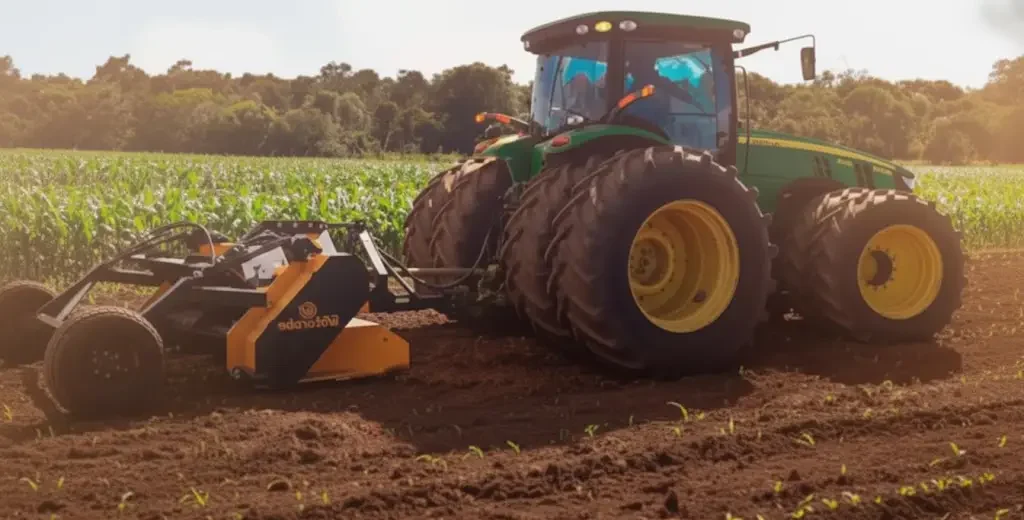
Yol alt temel hazırlığı, herhangi bir taş kırma makinesi için en zorlu uygulamalardan biridir. Zemin koşulları – sıkıştırılmış taş katmanları, çeşitli boyutlarda gömülü kaya ve sert alt temel malzemesi – makineleri tipik tarım arazisi çalışmalarında olmayan şekillerde çalışma sınırlarına kadar zorlar. Yanlış seri, yanlış çalışma derinliği veya yanlış traktör gücü seçimi, eksik işleme, aşırı diş aşınması ve taşıma kapasitesi gereksinimlerini karşılamayan bir alt temel ile sonuçlanır.
Bu kılavuz, traktör tipi taş kırıcıların yol yapımında ve kırsal altyapı çalışmalarında nasıl kullanıldığını, farklı proje türleri için hangi serilerin ve konfigürasyonların uygun olduğunu ve bir taş kırıcının toprak stabilizatörü ile nasıl birleştirilerek yol alt temel hazırlığının daha az makine geçişiyle tamamlanabileceğini açıklamaktadır.
Kırma makinesi ile geleneksel yöntemler karşılaştırması
Yol çalışmaları için çalışma derinliği ve kapasitesi
STCM/HP serisi
STCH ağır hizmet serisi
Toprak dengeleyici ile birlikte kullanım
Proje uygulama örnekleri
SSS
Yol Yapımında Taş Yönetimi
Önceden tarım arazisi olan veya gelişmemiş arazilerde yol yapımında, alt temel tabakası oluşturulmadan önce yönetilmesi gereken gömülü taşlarla sıklıkla karşılaşılır. Geleneksel yol yapım iş akışlarında, bu taş üç yaklaşımdan biriyle ele alınır: ekskavatörlere monte edilmiş hidrolik kırıcılarla mekanik kırma, kazı ve şantiye dışına taşıma veya mevcut taş yüklü malzemenin üzerine kaplama yapmak için agrega ithalatı.
Üç geleneksel yöntemin de önemli bir maliyet dezavantajı vardır: ya pahalı özel ekipman, yüksek nakliye maliyetleri ya da her ikisini birden gerektirirler. Traktöre monte edilmiş bir taş kırıcı, mekanik kırma ihtiyacını ortadan kaldıran, nakliyeyi önemli ölçüde azaltan ve ekskavatör tabanlı kırma işlemlerinin mobilizasyon maliyetinin çok daha düşük bir kısmıyla tek geçişte işlenmiş bir alt temel yüzeyi üreten dördüncü bir seçenek sunar.
Taş kırma makinesi, mevcut gömülü malzemeyi yerinde işleyerek, sıkıştırılmış alt temel tabakasına dahil edilebilecek veya daha sonraki bir kazıyıcı ve silindir işlemiyle çıkarılabilecek bir boyuta indirger. Sonuç olarak, her taşı tek tek kırma ve çıkarma maliyeti olmadan, agrega kaplaması veya stabilizasyon işlemi için hazır, kullanılabilir bir alt temel yüzeyi elde edilir.
Yüksek kurulum maliyeti. Yavaş üretim (saatte m²). Taşlar hala mevcut - kaldırılmalı veya üzeri örtülmeli. Uzman operatör gereklidir. Çevredeki zemini bozar.
Yüksek nakliye maliyeti. Yedek malzeme ithalatı gerekliliği. Uzun proje süresi. İnşaat sırasında kırsal yollarda önemli trafik yoğunluğu.
Düşük mobilizasyon maliyeti. Yüksek verim (hektar/gün). Taş yerinde öğütülür ve alt temele karıştırılır. Standart traktör operatörü. Çalışma derinliğinin ötesinde minimum toprak bozulması.
Yol Uygulamaları İçin Çalışma Derinliği ve Parçalama Kapasitesi
Yol alt temel hazırlığı, tarımsal arazi hazırlığına kıyasla daha yüksek çalışma derinliği ve parçalama kapasitesi gerektirir. Kırsal bir yolun veya erişim yolunun alt temel tabakası, gömülü taş tabakasının tamamını ele almak için genellikle 150-250 mm derinliğe kadar işlem görmeyi gerektirir. Yol yapımında taş boyutları, özellikle buzul sonrası Avrupa topraklarında veya oluşum seviyesinin doğal kaya çıkıntılarını kestiği yerlerde, tarım alanlarındakinden önemli ölçüde daha büyük olabilir.
Bu durum, yol ve altyapı çalışmaları için hangi taş kırma makinesi serisinin uygun olduğunu doğrudan belirler:
| BAŞVURU | Hafif hizmet (STCL) | Orta seviye HP (STCM/HP) | Ağır hizmet tipi (STCH) |
|---|---|---|---|
| Yetenek | |||
| Maksimum parçalama çapı | 150 mm | 300 mm | 500 mm |
| Maksimum çalışma derinliği | 150 mm | 200 mm | 250 mm |
| Rotor çapı | 450 mm | 550 mm | 700 mm |
| Traktör gücü | 70–150 beygir gücü | 200–280 beygir gücü | 280–400 beygir gücü |
| Yol Uygulama Uygunluğu | |||
| Çiftlik yolu ve hafif erişim yolu | ✓ 150 mm'den küçük yüzey taşları için uygundur | ✓ Tercih edilen — daha büyük gömülü taşları işler | ✓ Mükemmel |
| Kırsal yol alt temel hazırlığı | Sınırlı — derinlik ve taş boyutu genellikle aşılır. | ✓ Çoğu kırsal yol uygulaması için uygundur | ✓ Mükemmel |
| Altyapı / inşaat işleri | Uygun değil | ✓ Hafif ve orta ölçekli inşaat işleri | ✓ Temel özellikler |
| Büyük ölçekli yol yapımı | Uygun değil | Sınırlı | ✓ Yalnızca uygun diziler |
150 mm parçalama çapı ve 150 mm çalışma derinliğine sahip hafif hizmet tipi STCL serisi, gömülü taşların daha büyük olduğu veya işlem derinliğinin 150 mm'yi aştığı yol alt temel hazırlığı için uygun değildir. Bu koşullarda STCL kullanılması, rotor dişlerinin aşırı yüklenmesine ve eksik işleme neden olur. Yol yapım uygulamaları için her zaman orta beygir gücü veya ağır hizmet tipi modelleri tercih edin.
Hafif Yol ve Altyapı Hazırlığı için STCM/HP Serisi
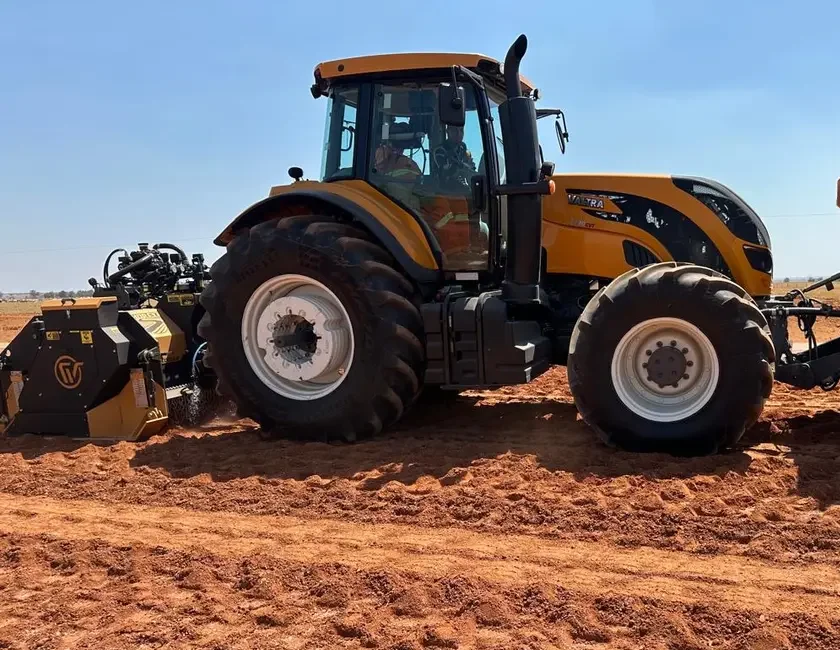
200-280 hp traktörler için tasarlanan STCM/HP serisi, profesyonel tarım işleri ile hafif altyapı çalışmaları arasındaki boşluğu dolduruyor. 550 mm rotor çapı, 300 mm maksimum parçalama çapı ve 200 mm çalışma derinliği ile Avrupa genelinde tarım yolu iyileştirme, kırsal erişim yolu hazırlığı ve hafif altyapı çalışmalarında tipik olan taş boyutlarını ve işleme derinliklerini işleyebiliyor. Bu konfigürasyonda traktörün PTO şaftı üzerinden rotora iletilen güç oldukça fazladır; PTO tahrik sistemlerinin bu gücü traktörden ekipmana nasıl ilettiğine dair genel bir bakış için buraya bakın. PTO şaft kılavuzu.
300 mm'ye kadar gömülü taşların bulunduğu ve işlem derinliği gereksinimlerinin 200 mm'yi geçmediği tarım yolu iyileştirme, kırsal erişim yolu hazırlığı ve hafif altyapı çalışmaları için uygundur. 2.064 mm'lik geniş çalışma genişliği, daha büyük proje alanlarında günlük verimliliği en üst düzeye çıkarır.
2.304 mm'lik daha geniş HP varyantı, açık şantiye alanlarında 200-280 hp traktörler için maksimum günlük verimlilik sağlar. Verimliliği sınırlayan tarla başı kısıtlamaları olmadan tam çalışma genişliğinin kullanılabildiği daha geniş yol yapım çalışmaları ve daha büyük temel hazırlık alanlarında en iyi sonucu verir.
STCH Ağır Hizmet Serisi, İnşaat Altyapı İşleri İçin
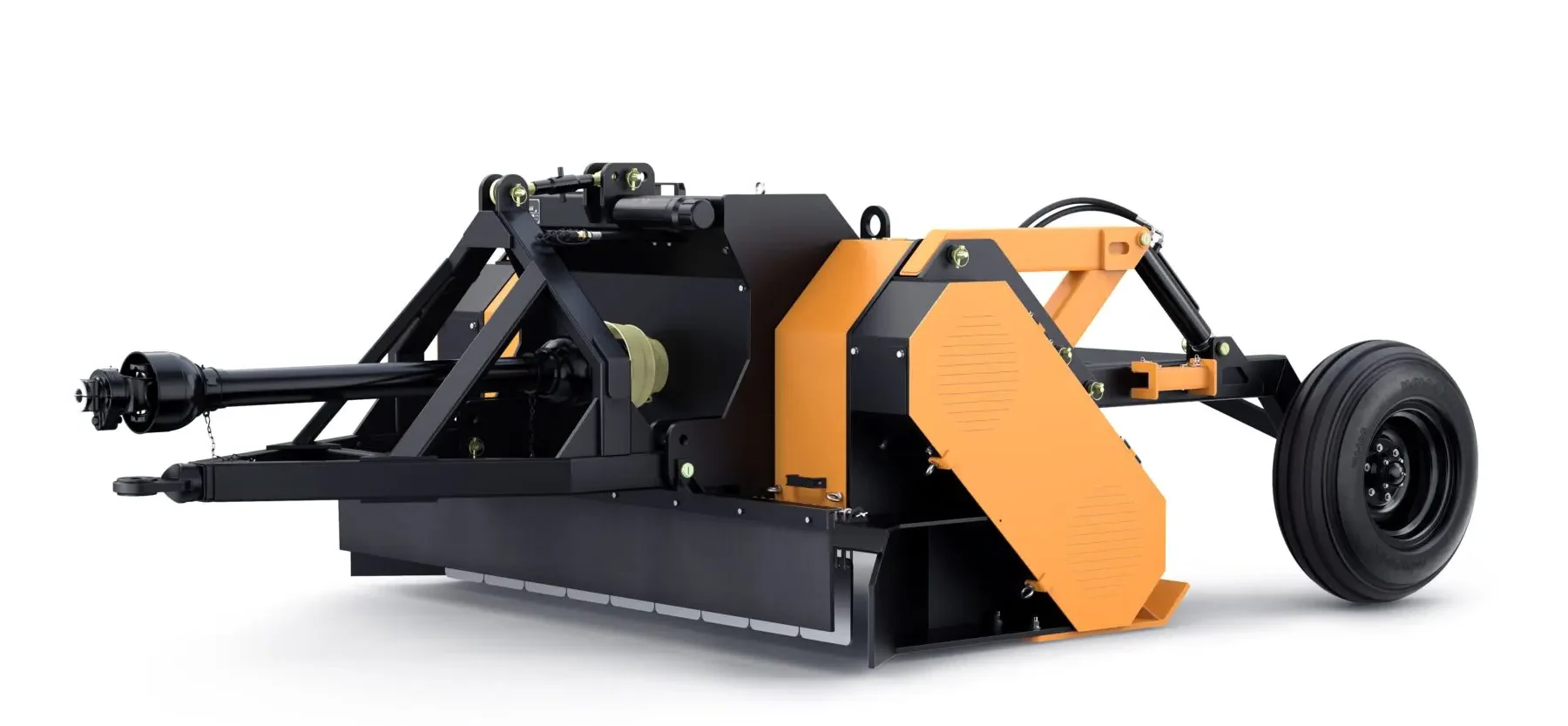
Taş boyutlarının 300 mm'yi veya işlem derinliğinin 200 mm'yi aştığı büyük ölçekli yol yapımı, altyapı çalışmaları ve inşaat mühendisliği projeleri için ağır hizmet tipi STCH serisi uygun bir özelliktir. Üç farklı konfigürasyon mevcuttur ve tümü 1000 rpm PTO'lu 280-400 hp traktörler için derecelendirilmiştir:
| ÖZELLİKLER | STCH 200 | STCH 225 | STCH 250 |
|---|---|---|---|
| Performans | |||
| Traktör gücü (hp) | 280–400 | 280–400 | 280–400 |
| PTO (devir/dakika) | 1000 | 1000 | 1000 |
| Çalışma genişliği (mm) | 2,080 | 2,320 | 2,560 |
| Maksimum parçalama çapı (mm) | 500 | 500 | 500 |
| Maksimum çalışma derinliği (mm) | 250 | 250 | 250 |
| Rotor çapı (mm) | 700 | 700 | 700 |
| Ağırlık (kg) | 4,850 | 5,050 | 5,250 |
| Hayır. dişler | 50+4+4 | 56+4+4 | 62+4+4 |
| Yol İnşa Yeteneği | |||
| Maksimum taş işleme | 500 mm çap — Avrupa'daki sivil zemin çalışmalarında karşılaşılan en büyük kayaları işleyebilir. | ||
| Alt temel işlem derinliği | 250 mm — kırsal ve hafif kentsel yol yapılarının çoğunda alt temel tabakasının tamamını kapsar. | ||
| Günlük üretim (1,5 km/sa hızla) | yaklaşık 0,31 ha/saat | yaklaşık 0,35 ha/saat | yaklaşık 0,38 ha/saat |
STCH serisinin 700 mm rotor çapı, 550 mm'lik orta sınıf rotora kıyasla diş başına önemli ölçüde daha fazla kinetik enerji taşır; bu fark, rotorun sürekli darbe yükü altında hızını koruması gereken sert, sıkıştırılmış malzemelerde en belirgindir. Sürekli ağır inşaat zemin çalışmaları için STCH serisi, orta sınıf bir makinenin duracağı veya önemli ölçüde yavaşlayacağı koşullarda çalışma verimliliğini korur.
Taş Kırma Makinesini Toprak Sabitleyiciyle Birleştirmek
Yol yapımında ve altyapı zemin çalışmalarında, taş kırma işlemi nadiren agrega kaplamasından önceki son işlemdir. Kil ağırlıklı veya su baskınına uğramış Avrupa topraklarında yaygın olan, taşıma kapasitesi düşük alt zeminlerde, kırılmış taş yüzeyinin inşaat trafiğini ve kalıcı yol yükünü güvenilir bir şekilde taşıyabilmesi için kireç veya çimento ile stabilize edilmesi gerekir.
Traktörle taş kırma işlemi ve ardından toprak stabilizasyon uygulaması, özel stabilizasyon ekipmanının kurulum maliyetine gerek kalmadan, iki aşamada tamamen hazırlanmış bir alt taban oluşturur. Önerilen sıra şöyledir:
Gömülü taşları gerekli çalışma derinliğine kadar parçalayarak kırılmış ve gevşemiş bir alt zemin yüzeyi oluşturun. Daha büyük kayalar, sonraki stabilizatör rotorunun bağlayıcıyı tüm işlem derinliği boyunca etkili bir şekilde karıştırmasına olanak tanıyan işlenebilir bir parça boyutuna indirgenir.
Ön tarafa monte edilmiş bir bağlayıcı serpme makinesi kullanarak, tasarım karışım oranında yüzeye kireç veya Portland çimentosu uygulayın. Hassas elektronik dozajlama, tüm çalışma genişliği boyunca düzgün bağlayıcı kaplama sağlar ve manuel torba serpme yöntemlerinde görülen düzensiz dağılımı ortadan kaldırır.
Arka tarafa monte edilmiş toprak stabilizatörü, uygulanan bağlayıcıyı işlenmiş alt temel malzemesine tek geçişte karıştırarak, taşıma kapasitesi, donma direnci ve uzun vadeli yük taşıma performansı iyileştirilmiş, kimyasal olarak stabilize edilmiş bir katman oluşturur; bu katman jeotekstil, agrega kaplama ve yüzey tabakası için hazırdır.
Bu üç aşamalı işlem dizisi – taş kırıcı, bağlayıcı serpme makinesi, toprak stabilizatörü – ekskavatörle kırma, taşıma, agrega ithalatı, serpme ve sıkıştırma gibi işlemleri içerebilen geleneksel yol alt temel hazırlama programının yerini almaktadır. Kırsal yol iyileştirme projeleri ve çiftlik yolu yapımı için, traktör tabanlı yaklaşım hem program süresini hem de toplam ekipman maliyetini önemli ölçüde azaltır. Belirli proje türünüz ve zemin seviyeniz için teknik özellikler hakkında görüşmek üzere ekibimizle iletişime geçin.
Proje Uygulama Örnekleri
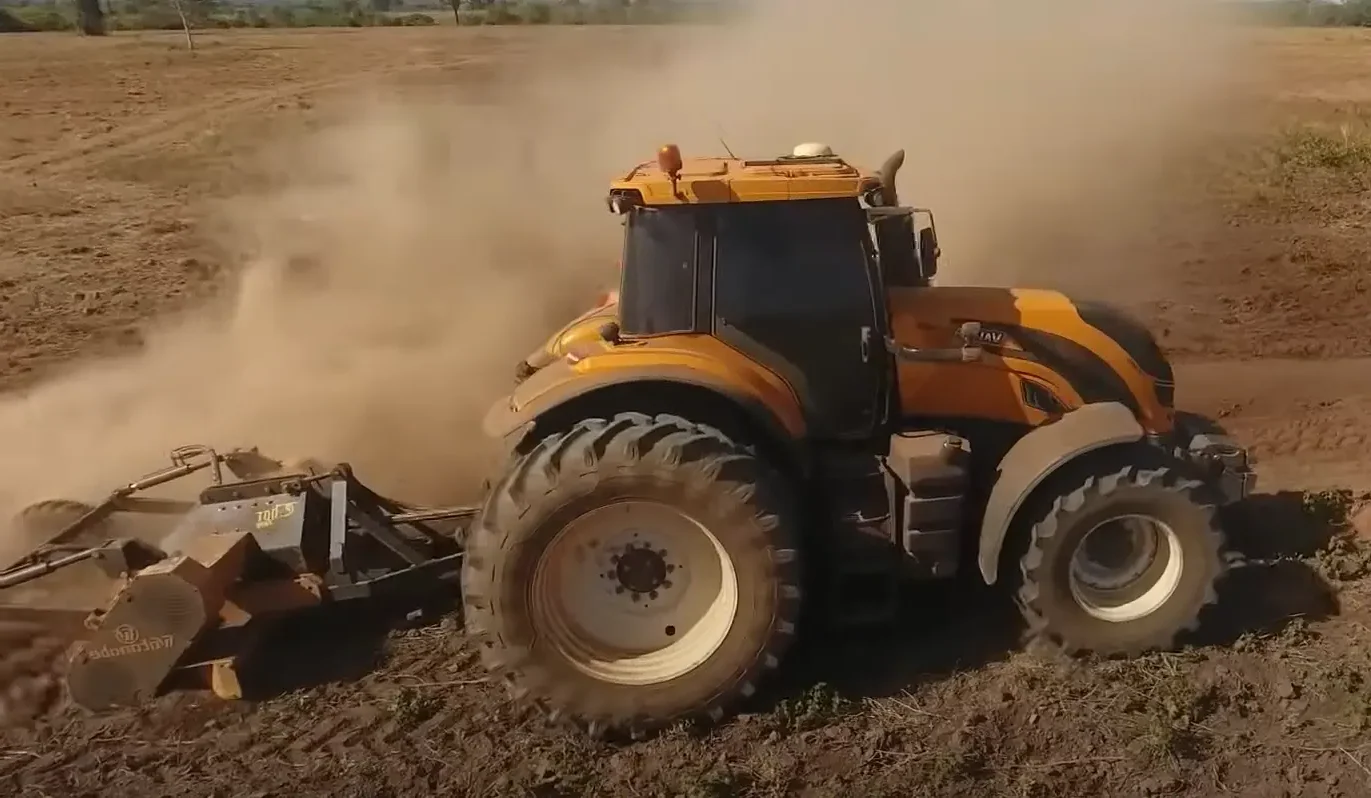
Traktör tipi taş kırma makineleri, Avrupa'da dört farklı yol ve altyapı projesi türünde düzenli olarak kullanılmaktadır:
Tarım yollarındaki gevşek yüzey taşları lastik hasarına, çekiş gücünün azalmasına ve hasat lojistiğini yavaşlatan düzensiz yüzeylere neden olur. Taş kırma makinesi, yüzey ve sığ yüzey altı taşlarını yol tabanına sıkıştırarak, ağır hasat makineleri için yük taşıma kapasitesini ve her türlü hava koşulunda geçiş kabiliyetini artırır ve ek malzeme ithal edilmesini önler. 200-280 hp gücündeki STCM/HP serisi, Hollanda, Belçika ve İngiltere genelinde bu uygulama için standart özelliktir.
Kuzey Avrupa'daki kırsal yol iyileştirme programları, rutin olarak yol seviyesinde buzul sonrası taş birikintileriyle karşılaşmaktadır. STCH serisi, bu birikintileri 250 mm derinliğe kadar işleyerek, 500 mm çapa kadar gömülü taşları küçültür ve stabilizasyon veya agrega kaplaması için hazır, kırılmış bir alt temel tabakası oluşturur. Kırsal bir yol zemininde tek bir STCH geçişi, daha büyük gömülü malzemelerle başa çıkmak için aksi takdirde gerekli olacak hidrolik kırıcı işlemlerine olan ihtiyacı ortadan kaldırır.
Hollanda, Belçika ve Almanya'da daha önce tarım arazisi olan bölgelerdeki yeni sanayi ve lojistik tesisleri, genellikle geniş alanlarda temel hazırlığı gerektirmektedir. STCH serisi, toprak stabilizatörü ile birlikte kullanıldığında, geniş zemin döşemeleri ve sert zemin alanlarının hazırlanması için uygun maliyetli bir yaklaşım sunar; bu sayede gömülü taşlar yerinde işlenir ve tüm şantiye alanında kazı ve agrega ithalatına gerek kalmadan alt temel taşıma kapasitesi iyileştirilir.
Avrupa genelindeki genel havacılık havaalanları ve tarımsal hava pistleri, zamanla yüzeye çıkan gömülü taşlar nedeniyle periyodik alt temel iyileştirmesine ihtiyaç duyar. STCH serisi, kireç stabilizasyonu ile birlikte, düzgün bağlayıcı dozajı ve derin alt temel işlemi sayesinde hafif uçak operasyonları için gerekli tutarlı taşıma kapasitesini sağlayan, çim havaalanları iyileştirmeleri için güvenilir bir alt temel hazırlama yöntemi sunar.
Sıkça Sorulan Sorular
Kırıcı makinenin nominal parçalama çapı dahilindeki taşlar için (STCH serisi için 500 mm'ye kadar), evet — ve önemli ölçüde daha düşük mobilizasyon ve işletme maliyetiyle. 500 mm'den önemli ölçüde daha büyük kaya parçaları için veya zemin seviyesinin sağlam ana kayayı geçtiği durumlarda, taş kırıcı makine malzemeyi işlemeden önce hidrolik bir kırıcı ile önceden kırmak yine de gereklidir. İki yaklaşım, farklı taş boyutlarına sahip projelerde kesin alternatifler olmaktan ziyade birbirini tamamlayıcı niteliktedir.
Taş kırma makinesi, mevcut malzemeyi yerinde işler ve yeniden dağıtır; belirli bir partikül boyutu dağılımına sahip derecelendirilmiş agrega üretmez. Çıktı, maksimum partikül boyutu önemli ölçüde azalmış, kırılmış ve gevşetilmiş bir alt temel tabakasıdır. Mühendislik şartnamesine göre belirli bir derecelendirilmiş alt temel tabakası gerektiren yollar için, kırma makinesiyle işlenmiş zeminin üzerine ek agrega ithalatı ve sıkıştırma yine de gerekecektir. Kırma makinesinin rolü, zemin seviyesini üst katman çalışmaları için hazırlamaktır; ithal edilen alt temel malzemesini değiştirmek değildir.
Önemli miktarda gömülü taş bulunan yol ve inşaat işlerinde, tipik olarak 0,8–1,5 km/sa ileri hız uygundur; bu hız, tipik tarım arazisi çalışmalarından daha düşüktür. Azaltılmış hız, rotorun metre başına daha fazla diş darbesi yapmasını sağlayarak, makine geçmeden önce daha büyük taşların tamamen parçalanmasını garanti eder. Daha hafif taş yoğunluklarında veya tarım yolu yüzey iyileştirme çalışmalarında, sonuç kalitesinden ödün vermeden hız 2–3 km/sa'e kadar artırılabilir.
Evet. Watanabe Netherlands, Avrupa genelinde taş kırma makineleri tedarik etmektedir ve İngiltere, Hollanda, Belçika, Fransa, Almanya ve daha birçok ülkeye teslimat kapasitesine sahiptir. Her makineyle birlikte standart olarak CE sertifikası verilmekte olup, AB ve İngiltere yetki alanlarındaki ticari şantiyelerde çalışmayı desteklemektedir. Birden fazla üniteye veya proje programlarına bağlı özel teslimat zaman çizelgelerine ihtiyaç duyan yükleniciler için, tedarik düzenlemelerini görüşmek üzere [email protected] ekibimizle iletişime geçin.
Yol veya altyapı projesi için taş kırma makinesi mi arıyorsunuz?
Projenizin türünü, zemin seviyesi taş koşullarını, gerekli çalışma derinliğini ve traktör gücünü bize bildirin; ekibimiz doğru seriyi ve konfigürasyonu onaylayacak ve Avrupa genelinde bağlayıcı olmayan bir teslimat fiyat teklifi sunacaktır.