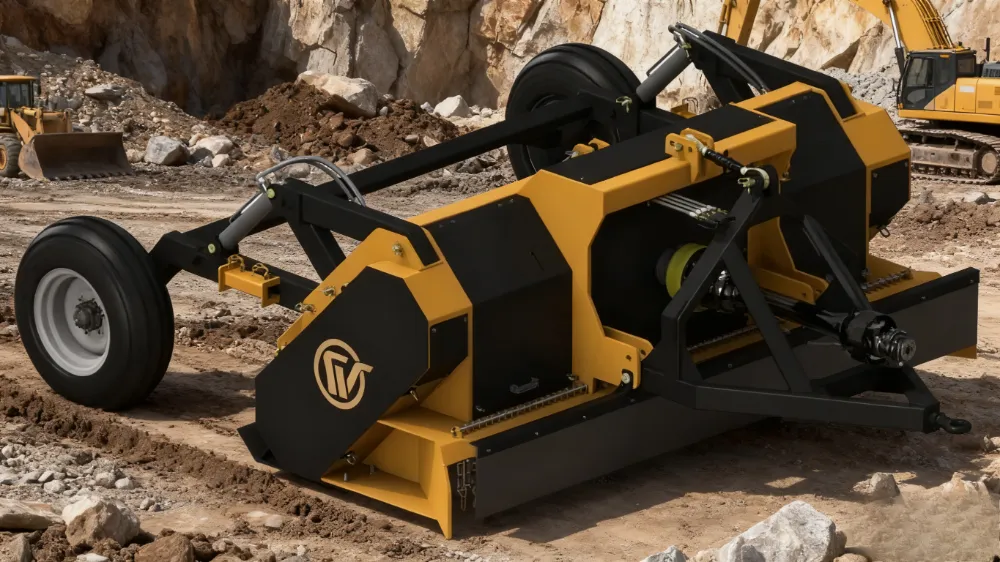
Ако обрађујете земљиште или послујете на земљишту где је камење стални проблем, дробилица камена за трактор је једна од најпрактичнијих инвестиција коју можете направити. Камење оштећује опрему за обраду земљишта, смањује квалитет сетвеног поља, успорава жетву и компликује припрему пута и темеља. Дробилица камена за трактор трајно елиминише ове проблеме — у једном пролазу, без уклањања материјала са поља.
Овај водич објашњава шта је дробилица камена за трактор, како механички функционише, шта различите машине могу да обрађују и како да разумете кључне спецификације пре куповине.
Како то функционише?
Кључне компоненте
Величина камена и радна дубина
Дробилица камена наспрам малчера
Где се користе
Честа питања
Шта је тракторска дробилица камена?
Тракторска дробилица камена — такође названа Дробилица камена са прикључним одводом или машина за дробљење камена на трактору — је опрема која се причвршћује на задњу страну и причвршћује се на трактор преко стандардног система тротачкасте везе. Покреће се директно са вратила за прикључак снаге (PTO) трактора, које покреће ротор велике брзине унутар кућишта машине.
За разлику од индустријских чељусних дробилица или ударних дробилица које се користе у каменолому, тракторска дробилица камена је дизајнирана за... рад на лицу местаНе сакупља нити уклања камење — уместо тога, уситњава га у мале фрагменте и враћа материјал директно у земљиште у истом пролазу. Резултат је чиста, сетвена леја или радна површина без камења, без трошкова и логистике сакупљања, утовара и уклањања камења.
Тракторске дробилице камена се широко користе у европској пољопривреди, грађевинским радовима и одржавању инфраструктуре — од припреме винограда и воћњака до обраде подлоге за путеве и чишћења земљишта великих размера. За шири преглед типова дробилица камена, погледајте ово Водич за дробљење камена.
Како функционише дробилица камена на трактору?
Принцип рада је једноставан, али инжењеринг који стоји иза њега је прецизан. Ево комплетног низа радова од прикључног вратила трактора до завршене површине:
Карданско вратило трактора — које ради на 540 о/мин или 1000 о/мин у зависности од модела — повезује се са улазним вратилом дробилице. Снага ротације се преноси преко погонског каиша или мењача на ротор. Погонске компоненте су пројектоване да поднесу велика ударна оптерећења настала ударом камења током рада.
Ротор се окреће великом брзином унутар оклопљеног кућишта. Каљени, заменљиви зуби су фиксирани дуж целе његове радне ширине. Пречник ротора одређује кинетичку енергију — 450 мм за лаке услове рада, 550 мм за средњи опсег, 700 мм за тешке услове рада — и самим тим максималну величину камена коју машина може да обрађује.
Како се машина креће напред, зуби ротора продиру у земљу и ударају у камење великом силом. Камен се више пута ломи између зубаца ротора и фиксираних контразуба унутар кућишта док се не смањи на величину довољно малу да прође кроз задње избацивање.
Фрагменти дробљеног камена и земља се испуштају са задње стране и равномерно распоређују по површини — враћају се у профил земљишта. Није потребно сакупљање, уклањање, додатно руковање.
Задњи ваљак за паковање прати ротор и консолидује третирану површину, остављајући равну, уједначену завршну обраду спремну за следећу радњу на пољу - сетву, садњу или даљу припрему земљишта.
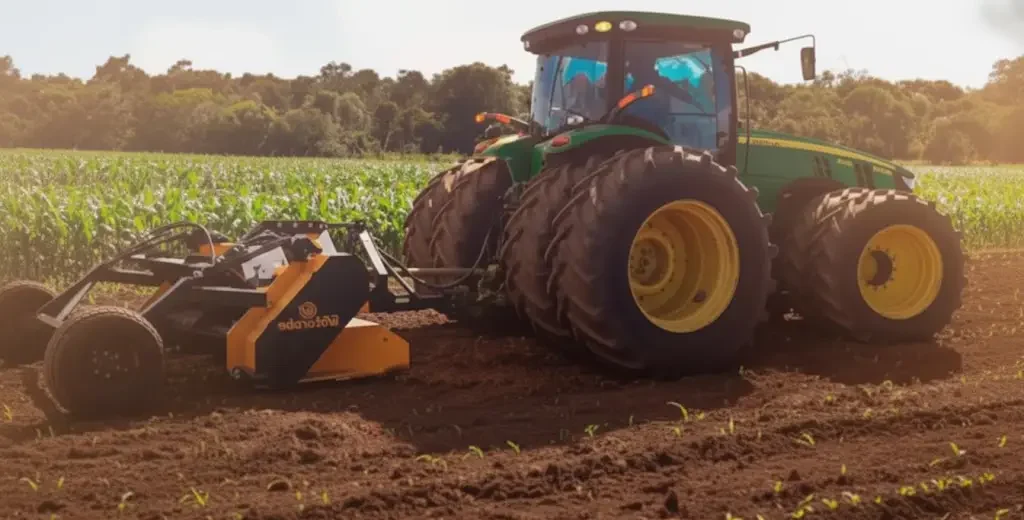
Објашњење кључних компоненти
Разумевање главних компоненти вам помаже да упоредите моделе и процените дугорочне оперативне трошкове пре куповине:
Централни радни елемент. Већи пречник ротора значи већу кинетичку енергију и могућност обраде већег камења. Величина ротора је главна разлика између машина лаких (450 мм), средњих (550 мм) и тешких (700 мм) услова рада.
Зупци од каљеног челика су главне компоненте које се хабају, дизајниране да се замењују појединачно без скидања ротора. Број зубаца варира у зависности од радне ширине — више зубаца даје финију завршну обраду и мање оптерећење по зубцу током рада.
Фиксирани унутар кућишта, они пружају супротну површину о коју се камење разбија. Њихова геометрија одређује колико ефикасно се камење разбија пре него што се испусти са задње стране машине.
Повезује трактор са машином. ST варијанте прихватају и 540 обртаја у минути и 1000 обртаја у минути за широку компатибилност са тракторима. DT и HP варијанте захтевају 1000 обртаја у минути. Увек проверите компатибилност брзине PTO вратила пре наручивања.
Задње подизање категорије 2 је стандардно код већине модела, компатибилно са тракторима од 70 КС навише. Пре куповине проверите категорију подизања вашег трактора и задњи капацитет подизања у односу на тежину машине.
Прати ротор и учвршћује третирану површину након сваког пролаза, остављајући равну завршну обраду и помажући у регулисању радне дубине на неравном терену.
Које камење може да обрађује дробилица камена на трактору?
Максимални пречник уситњавања — највећи камен који машина може поуздано да обрађује — значајно варира у оквиру асортимана и директно је повезан са величином ротора и снагом трактора:
| СПЕЦИФИКАЦИЈА | Лака теретна возила | Средњи опсег | Тешка издржљивост |
|---|---|---|---|
| Перформансе и снага | |||
| Снага трактора (кс) | 70 – 150 | 80 – 280 | 280 – 400 |
| Пречник ротора (мм) | 450 | 550 | 700 |
| Максимални пречник сецкања (мм) | 150 | 300 | 500 |
| Максимална радна дубина (мм) | 150 | 200 | 250 |
| Радне ширине (мм) | 1.110–2.070 | 1.340–2.304 | 2.080–2.560 |
| Најбоље за | |||
| Типична примена | Виногради, воћњаци, обрадиве фарме | Велике обрадиве површине, припрема путева, уговарање радова | Грађевински радови, тешки грађевински радови, мелиорација земљишта |
За већину европских обрада земљишта и винограда, камење до 150 мм је норма — серија за лаке услове рада је права почетна тачка. Тамо где су уобичајене веће уграђене стијене (постглацијална земљишта, бивше земљиште у каменолому или изградња путева), пређите на средњи или тешки ниво. Контактирајте наш тим са вашим типом земљишта и условима камена — препоручићемо вам праву серију.
Дробилица камена наспрам малчера: Која је разлика?
Ово је једна од најчешћих тачака забуне при куповини машина за припрему поља. Обе су ротором погоњене машине са прикључним вратилом које се причвршћују на задњу полугу трактора — али су пројектоване за потпуно различите задатке и... није заменљиво.
- Дизајнирано за ударе камена и стена
- Ојачани ротор са каљеним зубима отпорним на камен
- Тешко оклопљено кућиште предвиђено за ударна оптерећења
- Знатно тежа машинска конструкција
- Меље камење и враћа материјал у земљиште
- Ради до дубине од 150–250 мм у једном пролазу
- Дизајнирано за вегетацију, остатке жетве, гране
- Лакши ротор оптимизован за сечење биљне материје
- Зуби НИСУ оцењени за удар камења
- Лакша укупна конструкција
- Претрпеће брзу штету на каменитом тлу
- Гаранција не важи ако се користи на камену
Ако ваше земљиште има камење — чак и повремено површинско камење — увек наведите дробилицу за камење. Малчер није замена и никада не би требало да се користи на каменитом тлу. То узрокује брзо хабање зубаца, оштећење ротора, а у неким случајевима и катастрофалан квар када се удари у велики камен при радној брзини.
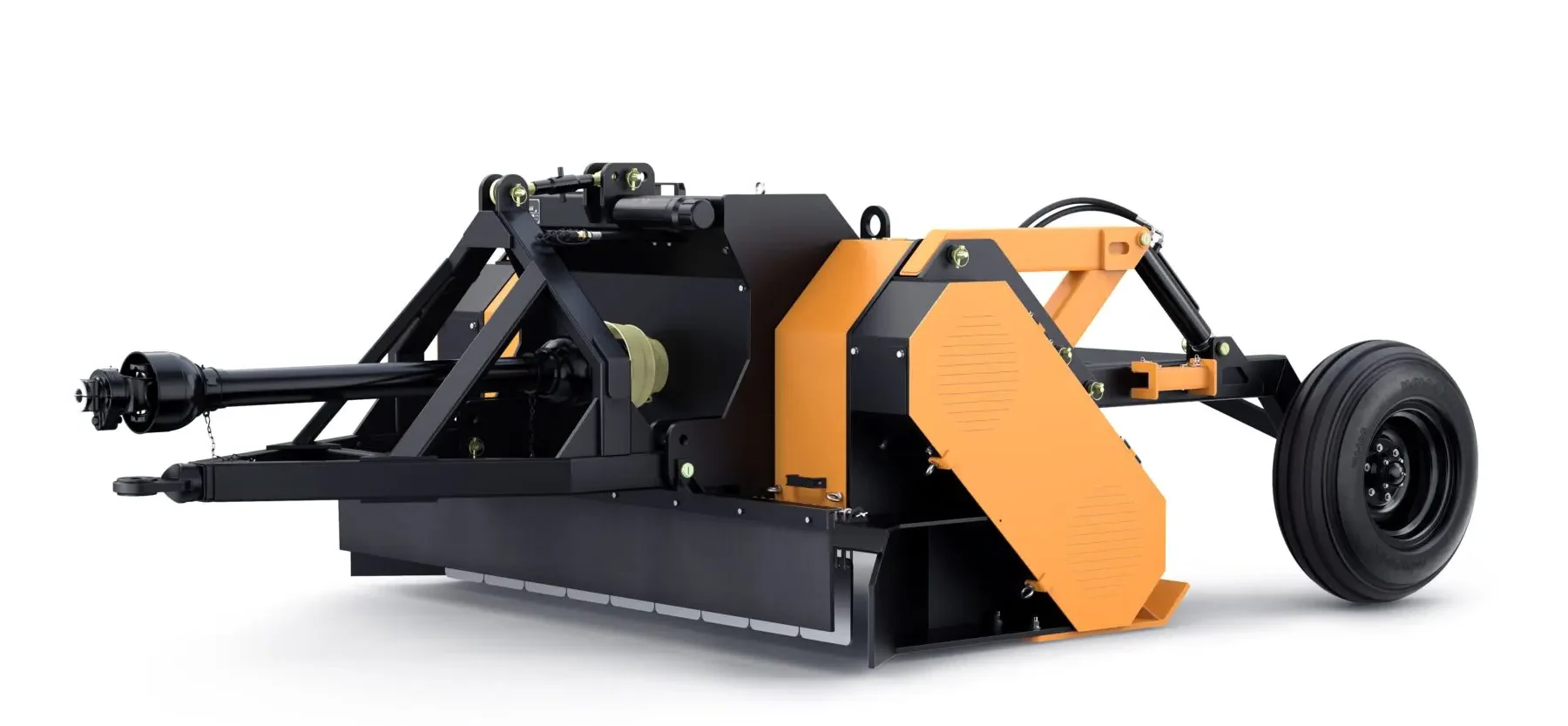
Где се користе тракторске дробилице камена?
Тракторске дробилице камена се користе у широком спектру пољопривредних и грађевинских примена широм Европе. Пет најчешћих случајева употребе су:
Уклањање површинског и подземног камења пре сетве или садње смањује хабање сејалице, побољшава тачност постављања семена и спречава оштећење хедера за жетву. Један пролаз дробилице камења може елиминисати две или три додатне операције припреме земљишта пре сетве.
Компактни модели лаких услова рада са радном ширином од 1.110 мм одговарају уским размацима између редова у европским виноградима и воћњацима. Уклањање камења побољшава перформансе механичког комбајна и смањује оштећења гума током сезоне бербе без оштећења кореновог система.
Дробилице камена учвршћују растресито површинско камење у основу колосека, побољшавајући носивост машина за жетву и сточарских возила у свим временским условима — без трошкова увоза дробљеног агрегата.
Машине средњег и великог домета користе се у грађевинским радовима за разбијање збијених камених слојева пре изградње пута — смањујући потребу за механичким разбијањем и уклањањем агрегата, стварајући консолидовану површину подлоге спремну за формирање пута.
Модели велике снаге могу обрађивати камење пречника до 500 мм, што их чини погодним за крчење шума, припрему напуштених локација и велике пројекте мелиорације земљишта где густина и величина камена превазилазе оно што лакше машине могу да поднесу.
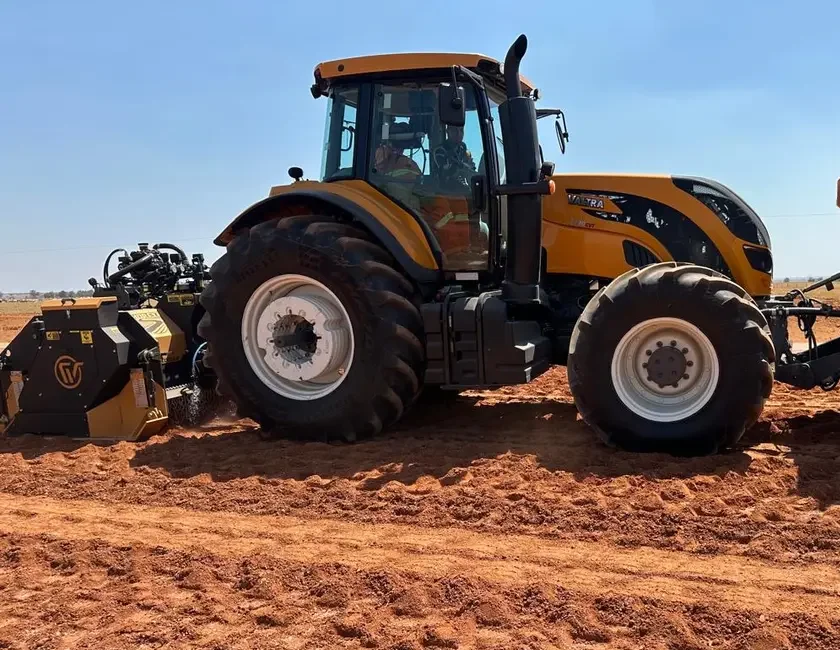
Често постављана питања
Дробилица камена за трактор је опрема коју покреће прикључак за прикључак у три тачке трактора. Користи ротор велике брзине са каљеним зупцима за уситњавање камења у земљишту, враћајући уситњени материјал директно на земљу у једном пролазу — елиминишући потребу за сакупљањем или уклањањем камења.
Радна дубина варира у зависности од серије: модели лаких услова рада достижу 150 мм, модели средње класе 200 мм, а модели тешких услова рада 250 мм. На стварну дубину утичу и брзина кретања трактора и тврдоћа тла — спорији пролази омогућавају дубље продирање у збијена или глиновита тла.
Дробилица за камен је посебно пројектована за ударање камења — ојачан ротор, каљени зуби отпорни на камен, тешко оклопљено кућиште. Малчер је дизајниран за органски материјал (остаци усева, вегетација, гране) и није предвиђен за контакт са камењем. Коришћење малчера на каменитом тлу узрокује брзо оштећење ротора и поништава гаранцију.
Дробилице камена лаких услова рада почињу од 70 КС (компатибилне до 150 КС). Машине средњег ранга покривају 80–280 КС, а моделима тешких услова рада потребно је 280–400 КС. Прави избор такође зависи од брзине прикључног вратила (540 о/мин или 1000 о/мин), категорије задњег прикључивања и носивости задње осовине. Контактирајте наш тим да бисте потврдили компатибилност са вашим специфичним моделом трактора.
Спремни да пронађете праву дробилицу камена за ваш трактор?
Испоручујемо дробилице камена за тракторе од 70 до 400 КС — са CE сертификатом, стално на лагеру у Холандији, са оригиналним резервним деловима доступним у року од 48–72 сата. Контактирајте наш тим за персонализовану препоруку и понуду за испоруку широм Европе.