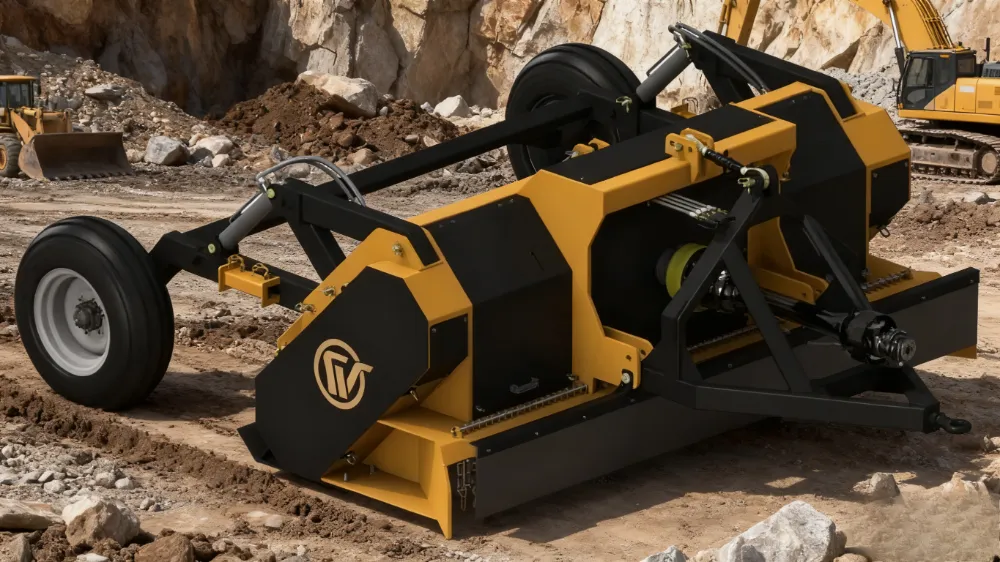
L'acquisto di un frantumatore di pietre con presa di forza rappresenta un investimento significativo per qualsiasi azienda agricola o contoterzista europea. Se si scelgono le specifiche corrette, l'investimento si ripagherà in una sola stagione grazie alla riduzione dell'usura delle attrezzature, al minor numero di operazioni sul campo e al miglioramento della qualità del letto di semina. Al contrario, una scelta errata (serie, larghezza o fornitore non adatti) comporterà prestazioni inferiori alle aspettative, difficoltà nel reperire i pezzi di ricambio e un aumento dei costi di gestione ben oltre il prezzo di acquisto.
Questa guida copre tutto ciò che è necessario valutare prima di effettuare un ordine: le principali specifiche tecniche da confrontare, cosa significa la certificazione CE per gli acquirenti europei, come valutare la disponibilità di magazzino e ricambi di un fornitore e come calcolare il costo totale di proprietà oltre al prezzo di listino. Per una panoramica generale sui tipi di frantumatori di pietre, vedere questo guida di riferimento per frantoi per pietre.
8 specifiche da confrontare
Spiegazione della certificazione CE
Disponibilità e consegna
Disponibilità dei pezzi di ricambio
Costo totale di proprietà
10 domande da porre al fornitore
Domande frequenti
Perché i frantumatori di pietre a presa di forza dominano l'agricoltura europea
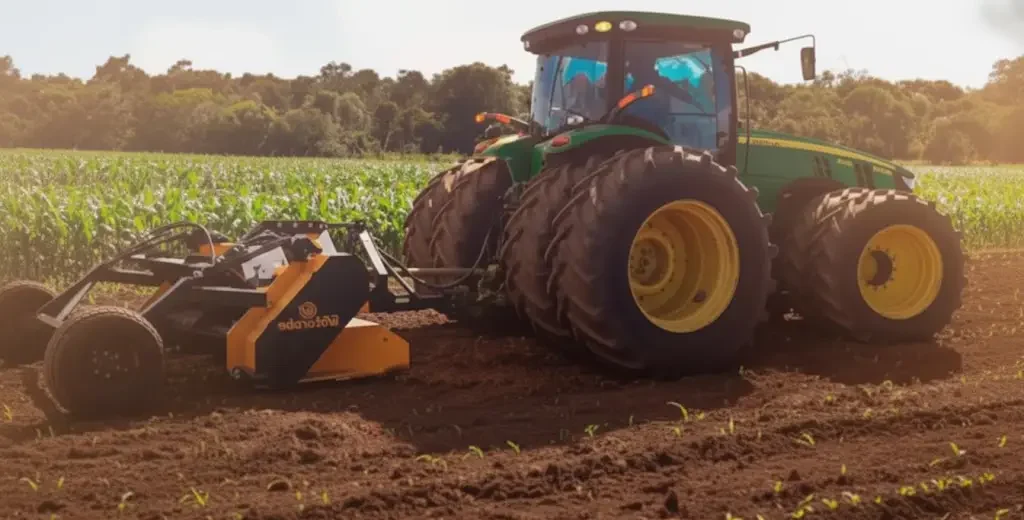
Il frantumatore di pietre azionato dalla presa di forza del trattore è diventato la soluzione standard per la gestione delle pietre nell'agricoltura europea per un semplice motivo: sfrutta la potenza già disponibile in azienda, ovvero quella del trattore, senza bisogno di un motore, un sistema di alimentazione o un operatore separati. L'albero della presa di forza si collega direttamente all'albero di ingresso del frantumatore, l'attacco a tre punti fornisce l'attrezzatura e il sistema idraulico del trattore gestisce il controllo della profondità. Non è necessaria alcuna infrastruttura aggiuntiva.
Esistono frantoi semoventi e impianti di frantumazione statici, ma per le aziende agricole e le imprese di contoterzismo europee che operano su appezzamenti da 20 a 500 ettari, il modello montato sulla presa di forza del trattore offre il miglior equilibrio tra costo di investimento, costi operativi, versatilità e logistica di trasporto. La macchina può essere agganciata e sganciata in pochi minuti, trasportata su un rimorchio standard e azionata dallo stesso operatore che guida il trattore per tutte le altre operazioni sul campo.
Il risultato è un mercato in cui sono disponibili frantoi per pietre con presa di forza per trattori da 70 a 400 CV, con larghezze di lavoro da poco più di un metro a oltre 2,5 metri, coprendo ogni applicazione, dai filari stretti dei vigneti ai grandi lavori di ingegneria civile.
Le 8 specifiche chiave da confrontare prima dell'acquisto
Non tutti i frantumatori di pietre con presa di forza sono costruiti secondo gli stessi standard. Queste sono le otto specifiche che determinano se una macchina funzionerà come previsto nelle vostre condizioni e quali saranno i costi di mantenimento durante la sua vita utile:
Il diametro del rotore è l'indicatore principale della capacità di frantumazione. Un rotore da 450 mm lavora pietre fino a 150 mm. Un rotore da 550 mm gestisce pietre fino a 300 mm. Un rotore da 700 mm può frantumare pietre fino a 500 mm di diametro. Il diametro del rotore determina anche il peso della macchina e la potenza del trattore necessaria per farla funzionare in modo efficiente.
Determina la produttività giornaliera per ora di utilizzo del trattore e se la macchina si adatta fisicamente ai vincoli del campo. Nei vigneti e nei frutteti, la larghezza di lavoro deve rientrare nella distanza tra i filari. Per i lavori in campo aperto, una larghezza maggiore è più produttiva, a condizione che il trattore abbia potenza sufficiente per mantenere la velocità di lavoro su tutta la larghezza.
La dimensione massima delle pietre che la macchina è in grado di lavorare. Specificare sempre una dimensione pari o superiore alla dimensione massima delle pietre presenti nel terreno: l'impatto occasionale di pietre di dimensioni eccessive sul rotore, al di sopra della sua capacità nominale, può causare un'usura accelerata dei denti e, nei casi più gravi, danni strutturali all'alloggiamento del rotore.
La profondità di lavoro determina quali pietre la macchina è in grado di rimuovere. Le macchine leggere lavorano fino a 150 mm, coprendo la maggior parte delle pietre superficiali e di quelle presenti negli strati più superficiali del terreno. I modelli di fascia media raggiungono i 200 mm, coprendo lo strato lavorato dove si verificano la maggior parte dei danni causati dalle attrezzature agricole. I modelli per impieghi gravosi raggiungono i 250 mm, adatti per applicazioni stradali e civili.
I frantumatori di pietre sono considerevolmente più pesanti della maggior parte degli attrezzi posteriori. Il peso deve essere verificato rispetto alla capacità di sollevamento del sollevatore posteriore e al carico massimo sull'asse posteriore del trattore. I modelli leggeri partono da 1.230 kg; quelli per impieghi gravosi arrivano a 5.250 kg. Superare la capacità di carico dell'asse posteriore del trattore può causare danni strutturali al trattore nel tempo.
Le varianti ST accettano 540 giri/min o 1000 giri/min. Le varianti DT e HP richiedono solo 1000 giri/min. Far funzionare una macchina progettata solo per 1000 giri/min a 540 giri/min riduce la velocità del rotore al di sotto della soglia di progetto, diminuendo significativamente l'energia cinetica e le prestazioni di frantumazione. Verificare sempre la potenza della presa di forza del trattore prima di specificare un modello.
La maggior parte dei frantumatori di pietre con presa di forza utilizza un attacco a tre punti posteriore di categoria 2, compatibile con trattori da 70 CV in su. I modelli per impieghi gravosi potrebbero richiedere la categoria 3. Prima di ordinare, verificate la categoria di attacco del vostro trattore: una mancata corrispondenza di categoria richiede staffe adattatrici che aumentano i costi e riducono la rigidità del collegamento.
Il numero di denti del rotore aumenta con la larghezza di lavoro. Un maggior numero di denti significa un carico d'impatto per dente inferiore, una maggiore durata dei denti e una finitura più fine. Il tipo di dente (standard, HD (heavy duty) o FP) determina le prestazioni su diversi livelli di durezza della pietra. Prima dell'acquisto, verificare sempre la disponibilità di denti di ricambio originali presso il fornitore.
Certificazione CE: perché è importante per gli acquirenti europei
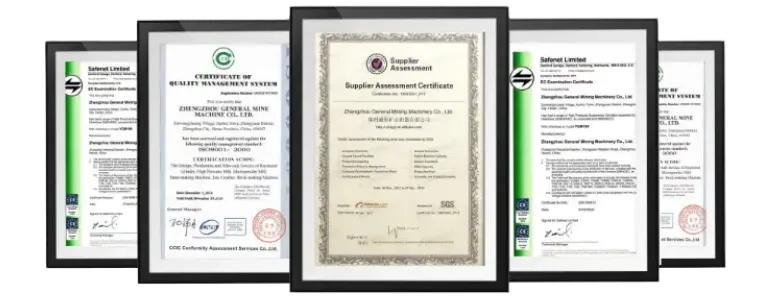
La marcatura CE è obbligatoria per tutte le macchine agricole vendute nell'Unione Europea e nel Regno Unito. Essa conferma che la macchina è stata valutata in conformità alla Direttiva Macchine dell'UE (2006/42/CE) e che soddisfa i requisiti essenziali di salute e sicurezza in materia di progettazione, protezione, rumore, vibrazioni e documentazione.
Per gli acquirenti, la marcatura CE ha tre implicazioni pratiche:
L'utilizzo di macchinari non conformi alla normativa CE nell'UE e nel Regno Unito può invalidare la polizza assicurativa della tua azienda agricola o del tuo contoterzista. In caso di incidente che coinvolga un macchinario non conforme, la responsabilità potrebbe ricadere interamente sull'operatore anziché sul produttore.
I macchinari non conformi alla marcatura CE hanno un valore di rivendita significativamente inferiore nei mercati europei e potrebbero risultare invendibili agli acquirenti professionali che necessitano della conformità documentale per i propri obblighi assicurativi e contrattuali.
Nell'UE e nel Regno Unito, l'utilizzo di macchinari non conformi alla marcatura CE su terreni pubblici, strade o cantieri appaltati è illegale. Per gli appaltatori che lavorano su siti di enti locali, infrastrutture o siti commerciali, la documentazione CE viene regolarmente richiesta prima dell'inizio dei lavori.
Tutti i frantumatori di pietre forniti da Watanabe Netherlands sono certificati CE e vengono forniti con una Dichiarazione di Conformità completa e un Manuale d'Uso nella lingua dell'acquirente. La documentazione CE è fornita di serie con ogni macchina, non come un'aggiunta o un optional.
Disponibilità e consegna: cosa cercare in un fornitore europeo
Le macchine frantumatrici di pietre sono macchine stagionali: la domanda si concentra nei periodi di preparazione del terreno in primavera e in autunno. Un fornitore che lavora su ordinazione in fabbrica vi comunicherà tempi di consegna di 8-16 settimane durante i periodi di punta, il che significa che perderete la finestra di coltivazione per la quale avete acquistato la macchina.
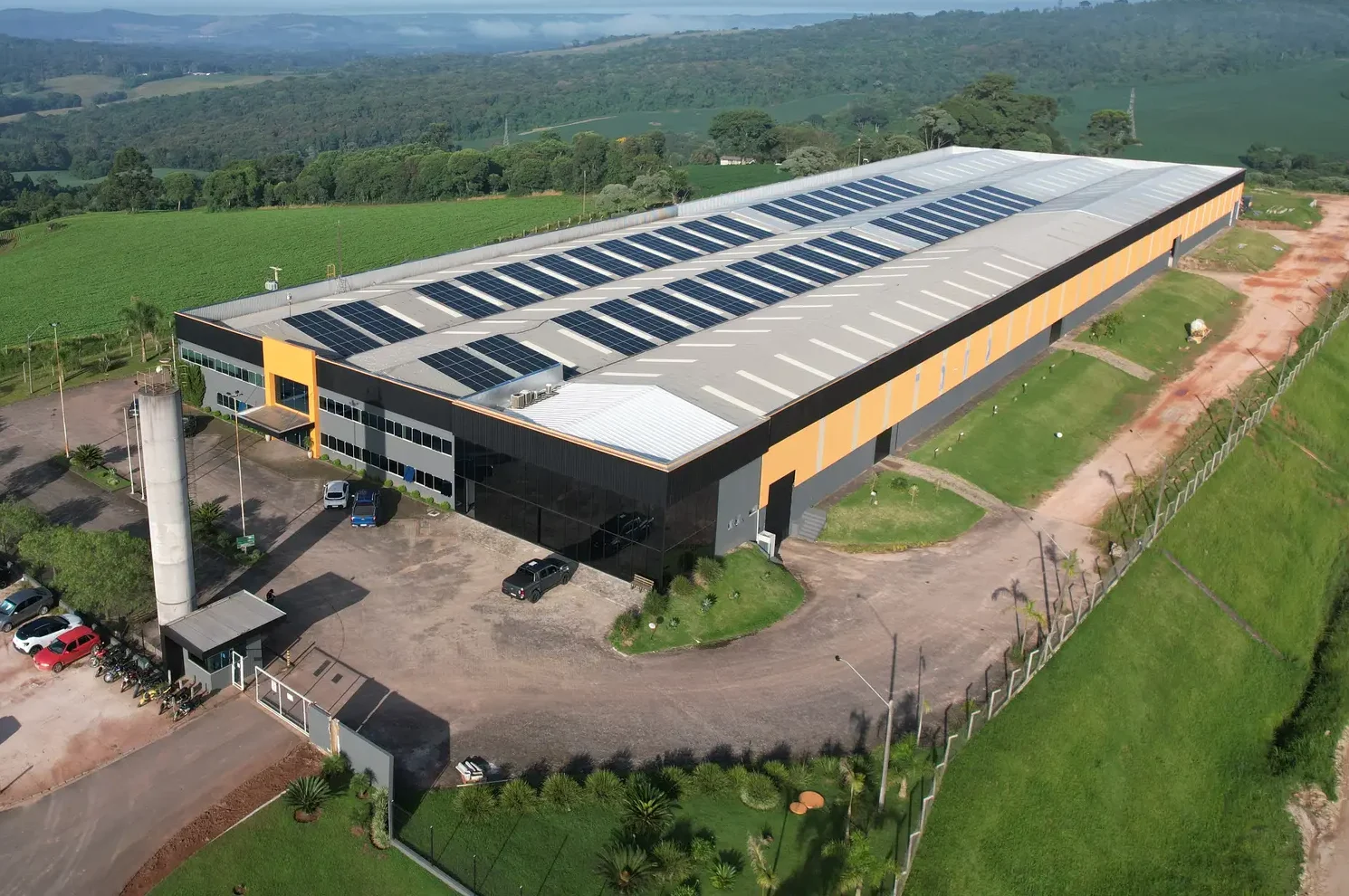
La disponibilità permanente di macchinari nei Paesi Bassi cambia completamente le cose. I macchinari disponibili in loco possono essere generalmente consegnati entro 5-10 giorni lavorativi nella maggior parte delle destinazioni europee, consentendovi di adattarvi alle esigenze stagionali anziché dover pianificare in base al programma di produzione della fabbrica.
Disponibilità dei pezzi di ricambio: il costo nascosto di un errore
I denti del rotore sono il componente soggetto a maggiore usura in qualsiasi frantumatore di pietre con presa di forza. Sono progettati per essere sostituiti: la questione non è se saranno necessari denti di ricambio, ma quanto velocemente sarà possibile ottenerli quando necessario. Un frantumatore di pietre fermo durante il periodo di coltivazione perché i denti sono in viaggio via mare per tre settimane dal produttore costa molto di più dei denti stessi.
Prima di acquistare, poni al tuo fornitore tre domande sui componenti:
Denti del rotore, controdenti, cinghie di trasmissione e cuscinetti dovrebbero essere tenuti a magazzino dal fornitore locale, non ordinati su richiesta dalla fabbrica. Richiedete conferma di quali componenti specifici sono disponibili a magazzino e in quale quantità.
I denti del rotore non originali sono fabbricati con una durezza e tolleranze dimensionali inferiori. Si usurano più rapidamente, si adattano con minore precisione e, in alcuni casi, causano un'usura accelerata dei denti di contrasto. L'utilizzo di ricambi non originali può inoltre invalidare la garanzia della macchina.
La spedizione avviene entro 48-72 ore dall'ordine, riducendo al minimo il rischio di fermi macchina. Watanabe Paesi Bassi dispone di ricambi originali in magazzino nei Paesi Bassi e garantisce la spedizione in tutta Europa entro 48-72 ore.
Prima di effettuare l'ordine, chiedete al fornitore di confermare per iscritto quali componenti sono disponibili a magazzino e i tempi di consegna garantiti a partire dall'ordine. Se la risposta è vaga – "di solito riusciamo a procurarci i componenti entro poche settimane" – ciò rappresenta un rischio significativo per la vostra pianificazione operativa, che deve essere preso in considerazione nel calcolo del costo totale di proprietà.
Come valutare il costo totale di proprietà
Il prezzo di acquisto di un frantumatore di pietre con presa di forza è solo una componente di ciò che effettivamente spenderete durante la sua vita utile. Questi cinque fattori, considerati insieme, determinano il costo totale di proprietà:
L'investimento iniziale. Le macchine nella fascia di prezzo più bassa spesso presentano una qualità del rotore inferiore, un alloggiamento in acciaio più sottile o specifiche dei denti non originali. Nell'ambito della frantumazione di pietre, una qualità iniziale inferiore si traduce in genere in un maggiore consumo dei denti e in un'usura più precoce del rotore.
I denti del rotore sono materiali di consumo. La frequenza di sostituzione dipende dalla durezza della pietra, dalla profondità di lavoro e dalle ore di utilizzo giornaliere. Chiedete al vostro fornitore una stima del consumo annuo di denti in base alle vostre condizioni di terreno e confermate il prezzo unitario dei ricambi originali prima di procedere all'acquisto della macchina.
Ogni giorno di inattività della macchina durante la stagione di coltivazione ha un costo, che si tratti di ritardi nelle operazioni sul campo, spese per interventi di terzisti o giornate lavorative perse. Un fornitore con un magazzino ricambi locale e tempi di consegna di 48-72 ore elimina la maggior parte dei rischi di fermo macchina imprevisto.
Un frantoio correttamente dimensionato e funzionante alla velocità ottimale consuma meno carburante per ettaro rispetto a una macchina sottodimensionata che lavora a velocità ridotta. Nell'arco di una stagione di oltre 200 ore di funzionamento, la differenza di costo del carburante tra una combinazione ben dimensionata e una non dimensionata è misurabile.
Le macchine con certificazione CE di produttori affermati, con documentazione storica di assistenza e disponibilità di ricambi, mantengono un valore di rivendita significativamente più elevato rispetto alle apparecchiature senza certificazione CE o di marche sconosciute. In fase di rivendita, la documentazione CE e la disponibilità di ricambi sono i due elementi più richiesti dagli acquirenti professionali.
10 domande da porre al fornitore prima di effettuare un ordine
Utilizzate questa lista di controllo quando valutate un fornitore di frantoi per pietre con presa di forza in Europa. Un fornitore sicuro del proprio prodotto e servizio risponderà a tutte e dieci le domande senza esitazione:
Domande frequenti
Sì. La marcatura CE è obbligatoria per tutti i macchinari agricoli immessi sul mercato europeo, indipendentemente dal fatto che siano utilizzati per scopi privati o commerciali. La polizza assicurativa della vostra azienda agricola richiederà macchinari conformi e, in caso di incidente che coinvolga attrezzature non marcate CE, la responsabilità potrebbe ricadere sull'operatore anziché sul produttore.
La durata dei denti varia notevolmente a seconda della durezza e della densità della pietra, della profondità di lavoro e delle ore di funzionamento giornaliere. Nelle tipiche condizioni di terreno agricolo europeo con un contenuto di pietra moderato, i singoli denti possono durare tra le 50 e le 200 ore di funzionamento. Pietre più dure o abrasive (granito, quarzite) riducono considerevolmente la durata dei denti. Il vostro fornitore dovrebbe essere in grado di fornirvi una stima realistica in base alle specifiche condizioni del vostro terreno.
Sì. Watanabe Paesi Bassi spedisce frantoi per pietre nel Regno Unito. La consegna nel Regno Unito prevede le normali procedure di sdoganamento e noi vi assistiamo con la documentazione necessaria. I tempi di consegna nel Regno Unito sono leggermente più lunghi rispetto alle destinazioni nell'Europa continentale: contattateci al numero [email protected] indicando la vostra località per conoscere i tempi di consegna e i costi di spedizione specifici.
Tutte le macchine sono fornite con la garanzia del produttore che copre i difetti di materiali e di fabbricazione in condizioni operative normali. I denti del rotore sono soggetti a usura e non sono coperti da garanzia: questa è una prassi standard nel settore. Per le richieste di garanzia, contattate direttamente il nostro team fornendo il numero di serie della vostra macchina e ci occuperemo noi della procedura.
Se il vostro trattore si trova al limite superiore della sua gamma di potenza e state pensando di aggiornarlo nei prossimi anni, optare per la serie superiore può essere una scelta sensata: vi offre un margine di sicurezza e, in genere, si traduce in una minore usura oraria dei denti nelle attuali condizioni del terreno. Tuttavia, se la potenza del vostro trattore è ben al di sotto del minimo richiesto per la serie superiore, non vi è alcun vantaggio nell'optare per una potenza maggiore. Il nostro team può consigliarvi il giusto equilibrio per la vostra situazione.
Pronti ad acquistare un frantumatore di pietre con presa di forza per l'Europa?
Certificazione CE. Disponibilità permanente a magazzino nei Paesi Bassi. Ricambi originali spediti entro 48-72 ore. Contatta il nostro team fornendoci le specifiche del tuo trattore e le condizioni del terreno: ti confermeremo il modello corretto e ti forniremo un preventivo senza impegno con consegna garantita presso la tua sede.