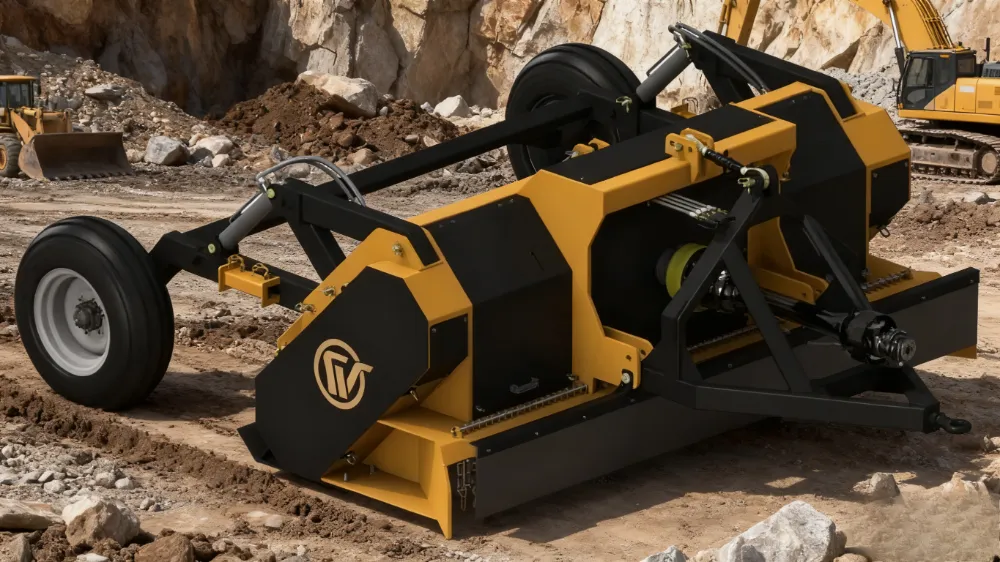
Ketika bebatuan menimbulkan masalah di lahan Anda, dua mesin yang umum direkomendasikan adalah: penghancur batu dan pemungut batu. Keduanya menangani bebatuan. Keduanya dipasang pada traktor. Namun, cara kerjanya sangat berbeda dan memecahkan masalah yang sangat berbeda pula — dan membeli yang salah sejak awal dapat menghabiskan banyak waktu dan uang sebelum Anda menyadari kesalahan tersebut.
Panduan ini menjelaskan secara detail fungsi masing-masing mesin, membandingkannya secara langsung, dan membantu Anda memutuskan mana yang harus dibeli terlebih dahulu — atau apakah Anda akhirnya membutuhkan keduanya.
Apa yang dilakukan mesin penghancur batu?
Apa yang dilakukan seorang pemetik batu
Perbandingan berdampingan
Kapan memilih masing-masing
Bisakah Anda menggunakan keduanya?
Tanya Jawab Umum
Perbedaan Inti — Satu Kata
Perbedaan mendasar antara kedua mesin ini terletak pada satu kata: tujuan.
Batu-batu tetap berada di ladang. Batu-batu tersebut dihancurkan di tempat dan dikembalikan ke tanah. Tidak ada yang dihapus.
Batu-batu dikumpulkan dari permukaan dan diangkut keluar dari ladang. Material tersebut dihilangkan secara fisik.
Perbedaan tunggal inilah yang mendorong setiap perbedaan lain di antara mereka — apa yang dapat mereka tangani, bagaimana cara kerjanya, berapa daya traktor yang mereka butuhkan, dan berapa biaya pengoperasiannya. Memahaminya adalah kunci untuk membuat pilihan yang tepat untuk lahan Anda.
Apa Fungsi Mesin Penghancur Batu?
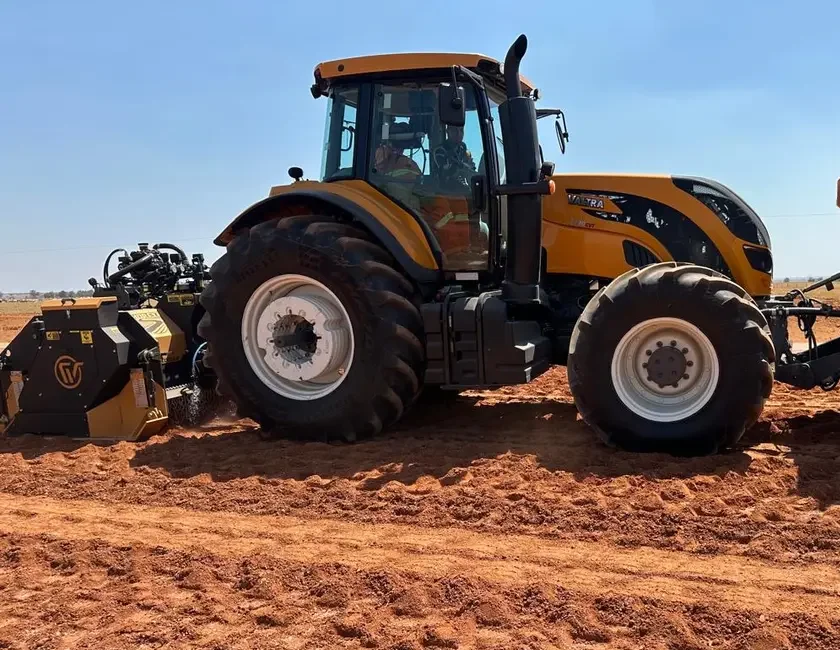
Mesin penghancur batu traktor adalah alat yang digerakkan oleh PTO (Power Take-Off) yang menggunakan rotor berkecepatan tinggi yang dilengkapi dengan gigi yang diperkeras untuk menghancurkan batu yang tertanam di dalam tanah. Saat mesin bergerak maju, rotor menembus permukaan tanah, menghantam batu dengan benturan berdaya tinggi, dan memecahnya menjadi fragmen-fragmen kecil yang didistribusikan secara merata di seluruh area yang diolah — semuanya dalam satu kali proses.
Karakteristik operasional utama adalah bahwa material yang dihancurkan tetap berada di lapangan. Batu-batu tidak dikumpulkan, dimuat, atau diangkut — batu-batu tersebut dipecah hingga tidak lagi menjadi masalah dan dimasukkan kembali ke dalam profil tanah. Pendekatan ini bersifat permanen: begitu batu telah dihancurkan hingga ukuran partikel di bawah permukaan, batu tersebut tidak akan muncul kembali ke permukaan atau menyebabkan kerusakan peralatan lebih lanjut di area yang ditangani.
Mesin penghancur batu tersedia dalam konfigurasi ringan (70–150 hp, batu maksimal 150 mm), menengah (80–280 hp, batu maksimal 300 mm), dan berat (280–400 hp, batu maksimal 500 mm). Untuk gambaran rinci tentang jenis-jenis mesin penghancur batu dan bagaimana pengkategoriannya, lihat ini. panduan referensi penghancur batu.
Apa yang Dilakukan Seorang Pemetik Batu?
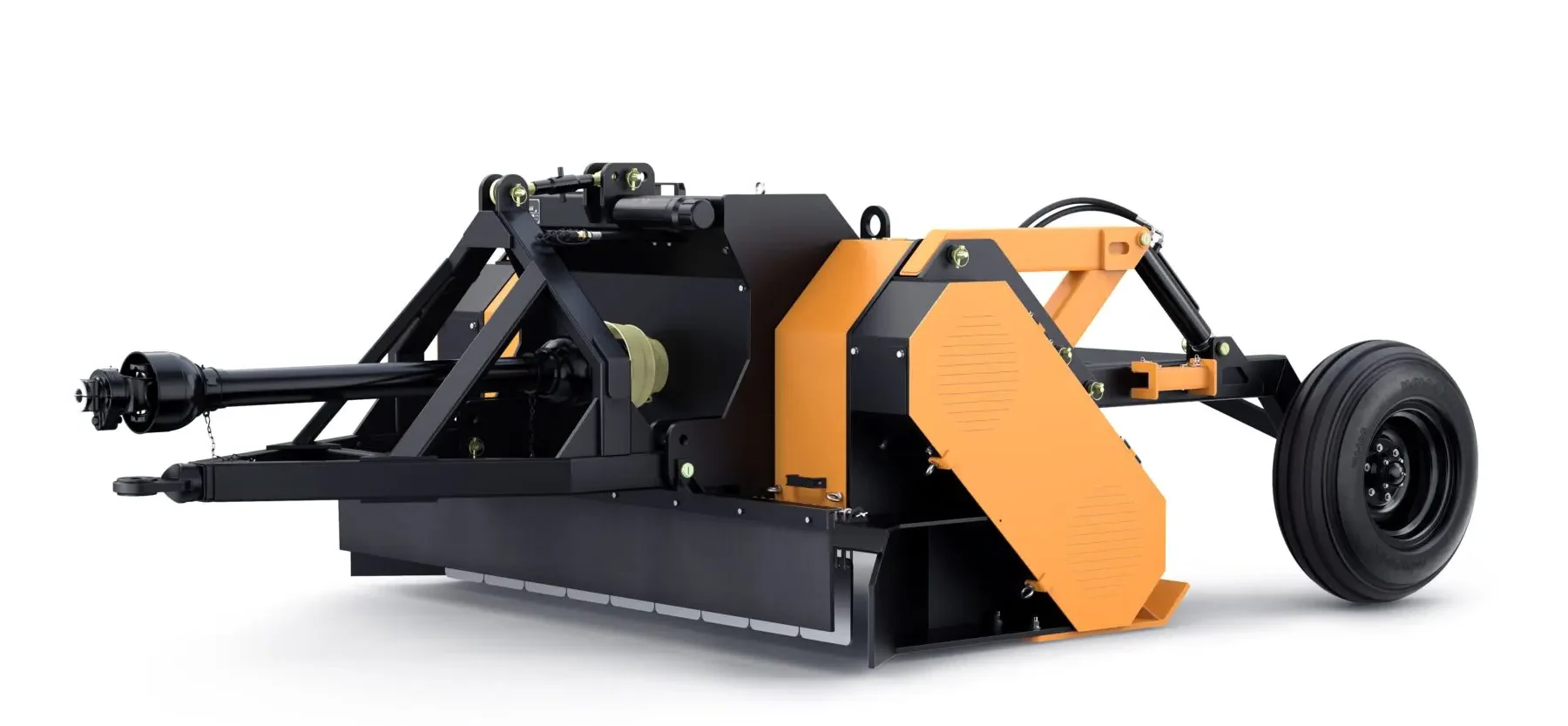
Mesin pemungut batu — juga disebut pemungut kerikil atau pengumpul batu — adalah alat yang digerakkan secara hidrolik yang bergerak melintasi permukaan ladang, menyendok batu dan menyimpannya ke dalam bunker pengumpul yang terpasang. Setelah bunker penuh, operator mengemudikan alat ke tepi ladang, mengosongkannya, dan melanjutkan pekerjaan.
Tidak seperti penghancur batu, pemungut batu hanya beroperasi di permukaan tanah — alat ini tidak menembus hingga kedalaman yang signifikan. Alat ini dirancang untuk mengumpulkan batu-batu yang sudah terlihat di permukaan atau tepat di bawah permukaan, biasanya setelah pengolahan tanah mengangkatnya. Alat ini secara fisik menghilangkan batu-batu tersebut dari lahan, yang berguna di tempat-tempat di mana batu perlu dibersihkan sepenuhnya — misalnya, sebelum penanaman kentang atau operasi panen mekanis di mana batu di permukaan dapat menyumbat atau merusak peralatan.
Mesin pemetik batu CT-2100 dari Watanabe Belanda memiliki lebar kerja 1.950 mm, kapasitas bunker 2,5 m³, dan membutuhkan daya minimal 110 hp dengan aliran oli hidrolik 60 L/min. Kecepatan kerja adalah 3–5 km/jam.
Perbandingan Berdampingan
Berikut perbandingan kedua mesin tersebut berdasarkan faktor-faktor yang paling penting bagi petani atau kontraktor di Eropa:
| FAKTOR | Penghancur Batu | Pemetik Batu |
|---|---|---|
| Cara Kerjanya | ||
| Destinasi batu | Hancur di tempat, tetap di lapangan | Dikumpulkan dan dipindahkan secara fisik |
| Kedalaman kerja | 150–250 mm (di bawah permukaan) | Hanya permukaannya saja |
| Ukuran batu yang ditangani | Diameter hingga 500 mm | Batu permukaan — bervariasi tergantung model |
| Hasil | Permanen — batu tidak dapat muncul kembali. | Bersifat sementara — batu-batu baru muncul setelah pengolahan tanah. |
| Persyaratan Traktor | ||
| Daya traktor minimum | Mulai dari 70 hp | Mulai dari 110hp (CT-2100) |
| Diperlukan cuti berbayar. | Ya — 540 atau 1000 rpm | Hidrolik — aliran oli 60 L/min |
| Keterkaitan | Sabuk pengaman belakang 3 titik, Kategori 2 | Sabuk pengaman belakang 3 titik, Kategori 2 |
| Operasi | ||
| Tiket masuk diperlukan | Satu kali operan — selesai dalam satu kali jalan | Beberapa kali lintasan + siklus pengosongan bunker |
| Pembuangan batu diperlukan | TIDAK | Ya — batu-batu harus disingkirkan dari lapangan. |
| Pekerjaan di lahan yang tidak diolah | Ya | Kurang efektif — batu harus berada di permukaan. |
| Aplikasi Terbaik | ||
| Persiapan lahan pertanian | ✓ Sangat Baik — hasil permanen | ✓ Baik untuk pembersihan permukaan setelah budidaya |
| Kebun anggur / kebun buah | ✓ Sangat bagus — tersedia model yang ringkas | Terbatas — batasan jarak antar baris |
| Persiapan lahan kentang | ✓ Perawatan pra-musim yang baik | ✓ Pembersihan pasca-budidaya yang sangat baik |
| Pekerjaan jalan/sipil | ✓ Luar Biasa | Tidak cocok |
| Di mana batu-batu harus disingkirkan | Tidak berlaku | ✓ Satu-satunya pilihan |
Kapan Memilih Mesin Penghancur Batu?
Mesin penghancur batu adalah pilihan yang tepat dalam situasi-situasi berikut:
Setelah mesin penghancur batu mengolah lahan, batu-batu di area tersebut akan hilang secara permanen. Batu-batu tersebut tidak dapat muncul kembali setelah pengolahan lahan karena sudah tidak lagi berbentuk benda padat. Mesin pemungut batu hanya membuang batu-batu di permukaan tetapi membiarkan batu-batu di bawah permukaan tetap utuh — batu-batu tersebut akan muncul kembali setelah setiap siklus pembajakan.
Alat pemungut batu hanya berfungsi pada batu yang berada di permukaan tanah atau tepat di bawahnya. Batu-batu di bawah permukaan tanah—yang merupakan penyebab sebagian besar kerusakan pada alat penanam benih dan peralatan pengolahan tanah—hanya dapat diatasi dengan penghancur batu, yang bekerja hingga kedalaman 150–250 mm tergantung pada serinya.
Persiapan lapisan dasar jalan, pembersihan lahan, dan pekerjaan infrastruktur pedesaan membutuhkan kapasitas penghancuran dan kedalaman kerja yang hanya dapat diberikan oleh penghancur batu kelas menengah atau berat. Pemungut batu tidak memiliki aplikasi dalam pekerjaan pondasi sipil.
Model penghancur batu kompak dengan lebar kerja mulai dari 1.110 mm sesuai dengan jarak antar baris tanaman anggur standar di Eropa. Geometri dan lebar kerja alat pemungut batu membuatnya tidak cocok untuk sebagian besar aplikasi kebun anggur dan kebun buah-buahan di mana jarak antar baris membatasi dimensi mesin.
Kapan Memilih Pemetik Batu?
Pemetik batu adalah pilihan yang tepat dalam situasi-situasi spesifik berikut:
Para petani kentang khususnya membutuhkan lahan yang sebisa mungkin bebas dari batu sebelum penanaman dan panen. Bahkan batu-batu kecil yang tersisa di tanah setelah dihancurkan dapat merusak penggali kentang dan mencemari hasil panen. Dalam hal ini, tujuan utamanya adalah menghilangkan batu—bukan menghancurkannya menjadi bubuk.
Pembajakan lahan secara mendalam di musim gugur secara teratur membawa batu-batu yang sebelumnya terkubur ke permukaan. Sebuah alat pemungut batu yang dijalankan di seluruh lahan setelah pembajakan dan sebelum pengolahan tanah musim semi membersihkan batu-batu permukaan ini dengan cepat dan efisien sebelum penanaman.
Batu-batu besar dan batuan permukaan yang berdiameter jauh di atas 500 mm — melebihi kapasitas maksimum mesin penghancur batu terberat sekalipun — perlu diangkat dan dipindahkan secara fisik. Dalam situasi ini, alat pengangkat batu (atau ekskavator dan trailer) adalah satu-satunya pilihan.
Bisakah Anda Menggunakan Keduanya Bersama-sama?
Ya — dan untuk operasi dengan beban batu yang sangat berat, menggunakan kedua mesin secara berurutan adalah pendekatan yang paling efektif. Alur kerja gabungan yang umum untuk lahan pertanian dengan masalah batu yang signifikan terlihat seperti ini:
Untuk sebagian besar usaha pertanian di Belanda, Inggris, Belgia, dan Prancis, penghancur batu saja sudah cukup untuk pengelolaan lahan jangka panjang. Pendekatan gabungan paling umum digunakan oleh spesialis kentang dan petani sayuran komersial di mana toleransi nol batu diperlukan saat panen. Jika Anda tidak yakin mana yang berlaku untuk usaha Anda, hubungi tim kami untuk mendapatkan saran.
Pertanyaan yang Sering Diajukan
Untuk sebagian besar operasi pertanian campuran, penghancur batu memberikan nilai jangka panjang yang lebih baik. Alat ini secara permanen menghilangkan batu-batu di bawah permukaan tanah — sumber utama kerusakan pada alat penabur benih, bajak, dan mesin pemanen — dalam sekali jalan, tanpa perlu pembuangan. Pemungut batu hanya menghilangkan batu-batu di permukaan dan membutuhkan beberapa kali jalan karena pengolahan tanah memunculkan batu-batu baru setiap musim. Kecuali jika batu-batu harus dihilangkan secara fisik dari lahan (pertanian kentang, sayuran pasar), penghancur batu sebaiknya menjadi pembelian pertama.
Ya. Mesin penghancur batu memproses batu permukaan dan batu bawah permukaan secara bersamaan dalam satu kali proses. Mesin ini tidak memerlukan batu pada kedalaman tertentu agar dapat beroperasi secara efektif — batu permukaan akan terangkat oleh gigi rotor pada kontak pertama dan diproses bersama dengan material yang tertanam di dalamnya.
Ya, dan ini adalah urutan yang direkomendasikan untuk standar pembersihan batu tertinggi. Setelah penghancur batu memproses sebagian besar beban batu hingga kedalaman tertentu, proses pengolahan tanah akan membawa sisa-sisa fragmen kecil ke permukaan. Kemudian, alat pemungut batu akan mengumpulkan fragmen-fragmen permukaan ini untuk dibuang sepenuhnya. Pendekatan gabungan ini merupakan praktik standar untuk budidaya kentang di daerah-daerah dengan beban batu tinggi di Eropa.
Ya. Watanabe Netherlands memasok penghancur batu traktor dengan rentang daya 70–400 hp dan pemetik batu CT-2100. Hubungi tim kami di [email protected] untuk mendiskusikan kebutuhan spesifik Anda — kami dapat memberikan saran tentang kombinasi yang tepat dan memberikan penawaran pengiriman gabungan ke lokasi Anda di seluruh Eropa.
Tidak Yakin Mesin Mana yang Anda Butuhkan?
Beri tahu kami spesifikasi traktor Anda, kondisi lahan, dan jenis tanaman yang Anda tanam — tim kami akan memberi saran apakah penghancur batu, pemungut batu, atau keduanya adalah solusi yang tepat, dan memberikan penawaran pengiriman ke seluruh Eropa.