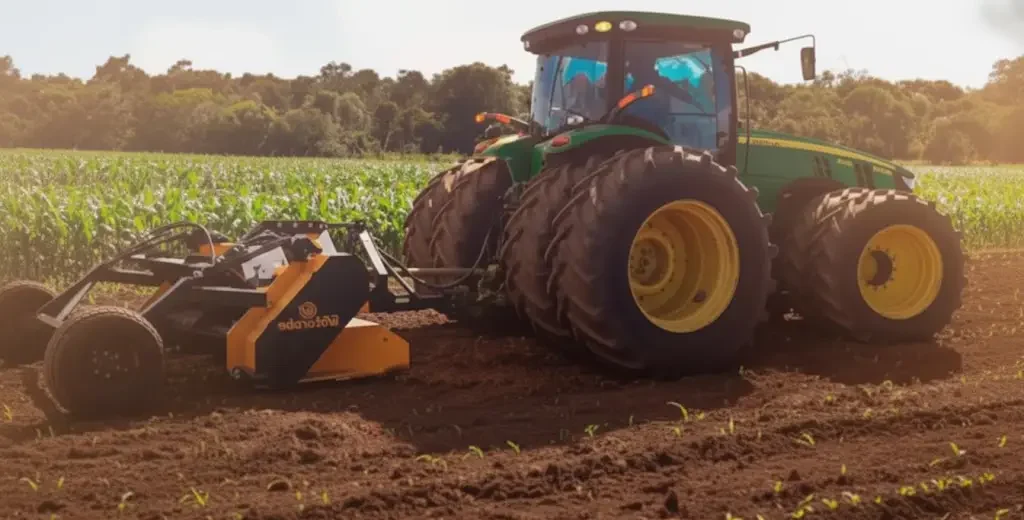
شراء كسارة حجارة غير مناسبة لجرارك خطأ مكلف. فإذا كانت قوة الكسارة أقل من اللازم، ستتوقف عن العمل أو ستعمل بكفاءة منخفضة على الأراضي الصلبة. أما إذا كانت قوتها أكبر من اللازم، فستدفع ثمن قدرة لا يستطيع جرارك توفيرها. وإذا اخترت عرض عمل غير مناسب، فإما أن تترك الحجارة دون معالجة أو أن تتلف الكسارة بسبب التحميل الزائد.
يرشدك هذا الدليل خلال القرارات الرئيسية الأربعة التي يحتاج كل مشترٍ إلى اتخاذها قبل اختيار كسارة الحجارة الجرارة - قوة الحصان وسرعة عمود إدارة الطاقة، وعرض العمل، وحجم الحجر وعمقه، وسعة الربط - ويشرح أي سلسلة وتكوين يناسب كل تركيبة.
الخطوة 2 - عرض العمل
الخطوة 3 - حجم الحجر وعمقه
الخطوة 4 - سعة الربط
مقارنة السلاسل
شرح الفرق بين ST و DT
التعليمات
لماذا يكلفك اختيار كسارة الحجارة الخاطئة المال؟
ستواجه كسارة الحجارة الخفيفة جدًا بالنسبة لظروف أرضك صعوبة في التعامل مع تجمعات الحجارة الكثيفة، مما يؤدي إلى ارتفاع درجة حرارة محرك الدوار، ويترك حجارة غير مكتملة التكسير تُسبب مشاكل في العمليات اللاحقة. أما الكسارة العريضة جدًا بالنسبة لقوة جرارك، فستُشغل المحرك تحت حمل زائد، مما يُسرّع من تآكل كل من الجرار والكسارة.
يتطلب تحديد المواصفات الصحيحة فهم أربعة متغيرات ومطابقتها مع النطاق المتاح. للاطلاع على نظرة عامة حول الأنواع المختلفة لكسارات الحجارة وكيفية تصنيفها، دليل مرجعي لكسارات الحجارة يوفر معلومات أساسية مفيدة قبل البدء بعملية الاختيار.
يتوقف الدوار عند اصطدامه بالأحجار الكبيرة. يؤدي التكسير غير الكامل إلى ترك أحجار تتلف العمليات اللاحقة. كما يؤدي التآكل المفرط لأسنان الدوار نتيجة الاصطدام المتكرر بالمواد كبيرة الحجم إلى تآكلها بشكل مفرط.
يعمل الجرار بأقصى حمل للمحرك طوال فترة المرور. يؤدي ازدياد استهلاك الوقود، وتسارع تآكل الجرار، وانخفاض سرعة العمل إلى تقليل الإنتاج اليومي.
إن تشغيل آلة تعمل بسرعة 1000 دورة في الدقيقة فقط عند سرعة 540 دورة في الدقيقة يقلل من سرعة الدوار إلى ما دون عتبة التصميم، مما يقلل من الطاقة الحركية وقدرة التكسير بشكل كبير.
الخطوة 1 - اعرف قوة حصان الجرار وسرعة عمود إدارة الطاقة
تحدد قوة محرك الجرار السلسلة التي يمكنك تشغيلها. وتحدد سرعة عمود إدارة الطاقة (PTO) - إما 540 دورة في الدقيقة أو 1000 دورة في الدقيقة - التكوين المحدد ضمن تلك السلسلة المتوافق مع جهازك. يجب التأكد من كليهما قبل اختيار الطراز.
سلسلة الأحمال الخفيفة (STCL). ستة تكوينات بعرض عمل يتراوح من 1110 مم إلى 2070 مم. تقبل طرازات ST سرعات دوران تتراوح بين 540 و1000 دورة في الدقيقة؛ بينما تتطلب طرازات DT سرعة دوران 1000 دورة في الدقيقة. نقطة انطلاق مثالية للمزارع الصغيرة وكروم العنب وبساتين الفاكهة.
سلسلة متوسطة المدى (STCM). سبعة تكوينات تتراوح من 1340 مم إلى 2304 مم. يقبل طراز ST/125 سرعة 540 أو 1000 دورة في الدقيقة؛ بينما تتطلب جميع الطرازات الأخرى سرعة 1000 دورة في الدقيقة. يغطي هذا الطراز معظم عمليات الزراعة والمقاولات الاحترافية.
سلسلة الخدمة الشاقة (STCH). ثلاثة تكوينات من 2080 مم إلى 2560 مم. جميعها تتطلب عمود إدارة طاقة بسرعة 1000 دورة في الدقيقة. مناسبة لأعمال المقاولات المدنية واسعة النطاق، وتجهيز الطرق، واستصلاح الأراضي.
إذا لم تكن متأكدًا من سرعة عمود إدارة الطاقة (PTO) في جرارك، فراجع ورقة مواصفات الجرار أو ابحث عن علامة عدد الدورات في الدقيقة (rpm) المطبوعة على عمود إدارة الطاقة. عادةً ما تكون سرعة الجرارات الأوروبية القديمة (قبل عام 1990) 540 دورة في الدقيقة فقط. معظم الجرارات التي تبدأ قوتها من 100 حصان فأكثر توفر سرعات 540 و1000 دورة في الدقيقة، ولكن تأكد دائمًا قبل الطلب.
الخطوة الثانية - تحديد عرض العمل المطلوب
يُحدد عرض العمل إنتاجيتك اليومية لكل ساعة عمل للجرار، وفي المساحات الضيقة كمزارع الكروم، يُحدد أيضًا ما إذا كانت الآلة ستناسب الصف فعليًا. إليك كيفية اختيار عرض العمل المناسب لعملك:
كإرشاد تقريبي: عند سرعة عمل تبلغ 1.5 كم/ساعة، يغطي عرض عمل يبلغ 2000 مم حوالي 0.3 هكتار في الساعة. وعند سرعة 3 كم/ساعة مع نفس العرض، يتضاعف هذا الرقم إلى 0.6 هكتار/ساعة. يُحدّ من عرض العمل الأوسع والسرعة المستدامة الأعلى قدرة الجرار - لذا لا تتجاوز نطاق القدرة الحصانية الموصى به للطراز الذي اخترته.
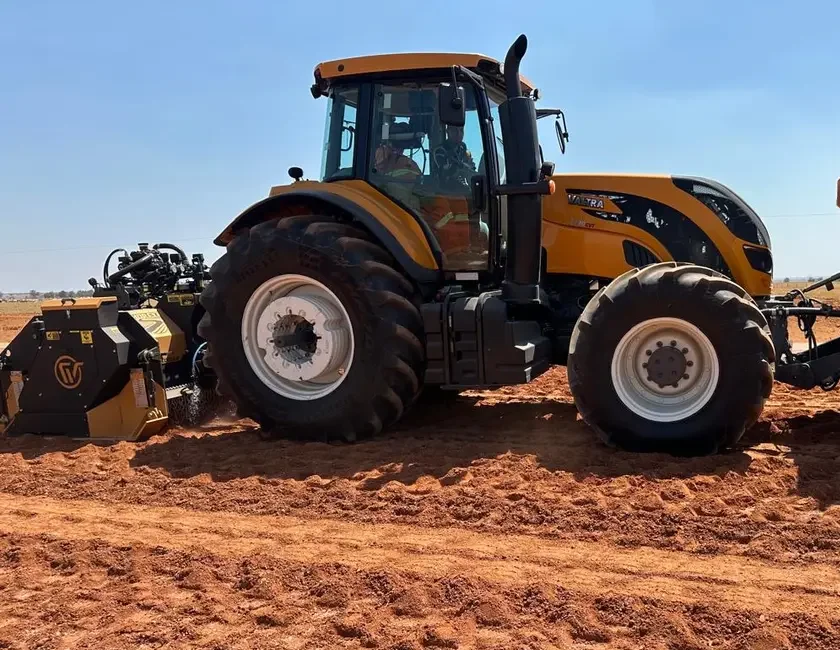
الخطوة 3 - تقييم حجم الحجر وعمق العمل المطلوب
يجب أن يتطابق قطر التقطيع الأقصى وعمق العمل للآلة مع أحجام وأعماق الأحجار الموجودة في التربة أو يتجاوزها. استخدام آلة مصممة لأحجار بحجم 150 مم على أرض تحتوي على صخور بحجم 300 مم سيؤدي إلى تلف الدوار وعدم اكتمال عملية التقطيع.
| مسلسل | خفيف الوزن (STCL) | متوسط المدى (STCM) | الخدمة الشاقة (STCH) |
|---|---|---|---|
| قدرة التكسير | |||
| أقصى قطر للتقطيع | 150 مم | 300 مم | 500 مم |
| أقصى عمق للعمل | 150 مم | 200 مم | 250 مم |
| قطر الدوار | 450 مم | 550 مم | 700 مم |
| إرشادات حول أنواع التربة | |||
| التربة النموذجية / التطبيق | تربة ما بعد الزراعة، كروم العنب، أراضٍ زراعية خفيفة - أحجار بشكل عام على مستوى السطح وأقل من 150 مم | أرض زراعية مختلطة، طبقة أساسية فرعية للطرق، أعمال مقاولات ثقيلة - أحجار يصل حجمها إلى 300 مم، وعمقها يصل إلى 200 مم | تضاريس صخرية، أعمال بناء مدنية، أرض محجر سابقة - صخور كبيرة مغروسة، عمق يصل إلى 250 ملم |
إذا لم تكن متأكدًا من الحد الأقصى لحجم الحجارة الموجودة في تربتك، فاحرص دائمًا على تحديد الحجم الأكبر. قد تتسبب الحجارة التي يزيد قطرها عن قطر التقطيع المُصنّف في كسر أسنان الدوّار، وفي بعض الحالات تلف غلاف الدوّار، وكلاهما مكلف الإصلاح. عند الشك، تواصل مع فريقنا واشرح لنا خصائص تربتك، وسنقدم لك المشورة بشأن الحد الأدنى الآمن للمواصفات المناسبة لأرضك.
الخطوة 4 - تحقق من قدرة رفع وصلة التعليق الخلفية
تُعدّ كسارات الحجارة أثقل بكثير من معظم المعدات الأخرى المثبتة في الجزء الخلفي من الجرار. قبل الطلب، تأكد من أن قدرة رفع الوصلة الخلفية لجرارك تُعادل أو تتجاوز وزن الآلة، وخاصةً بالنسبة للطرازات المتوسطة والثقيلة، التي تبدأ من 1850 كجم وتصل إلى 5250 كجم.
تجدون سعة رفع وصلة الجرار الخلفية في دليل التشغيل تحت عنوان "مواصفات وصلة الجر ثلاثية النقاط". بالنسبة للكسارات متوسطة وثقيلة الوزن، يُرجى أيضًا التحقق من تصنيفات حمولة المحور الخلفي، حيث يُضاف وزن الآلة المُطبق عند نقطة ارتكاز وصلة الجر الخلفية إلى قيمة حمولة المحور الخلفي. إذا شاركتم فريقنا بنوع وموديل جراركم، يُمكننا التأكد من التوافق قبل الطلب.
خفيف / متوسط / ثقيل - أي نطاق يناسبك؟
استخدم هذا الملخص لتحديد نطاق البداية المناسب، ثم تأكد من الطراز المحدد بعرض العمل الذي يتناسب مع قوة جرارك ومتطلبات الحقل:
مثالية لـ: إزالة الأحجار من مزارع الكروم والبساتين، والمزارع الصغيرة والمتوسطة الحجم، وصيانة الطرق الزراعية. أحجام الأحجار تصل إلى 150 مم، وعمق العمل يصل إلى 150 مم. أخف وزنًا في فئتها - مناسبة للجرارات الصغيرة.
الأفضل لـ: المزارع الكبيرة، والمقاولات الاحترافية، وإعداد الطبقة التحتية الخفيفة للطرق. أحجام الأحجار تصل إلى 300 مم، وعمق العمل يصل إلى 200 مم. السلسلة الأكثر تنوعًا - سبعة تكوينات تغطي أوسع نطاق من الجرارات والتطبيقات في المجموعة.
الأفضل لـ: البنية التحتية المدنية، وبناء الطرق، واستصلاح الأراضي، والمقاولات الاحترافية عالية الإنتاجية. أحجام الأحجار تصل إلى 500 مم، وعمق العمل يصل إلى 250 مم. أكبر دوار في المجموعة بحجم 700 مم - مصمم لأكثر تطبيقات أعمال الحفر والتسوية تطلبًا في أوروبا.
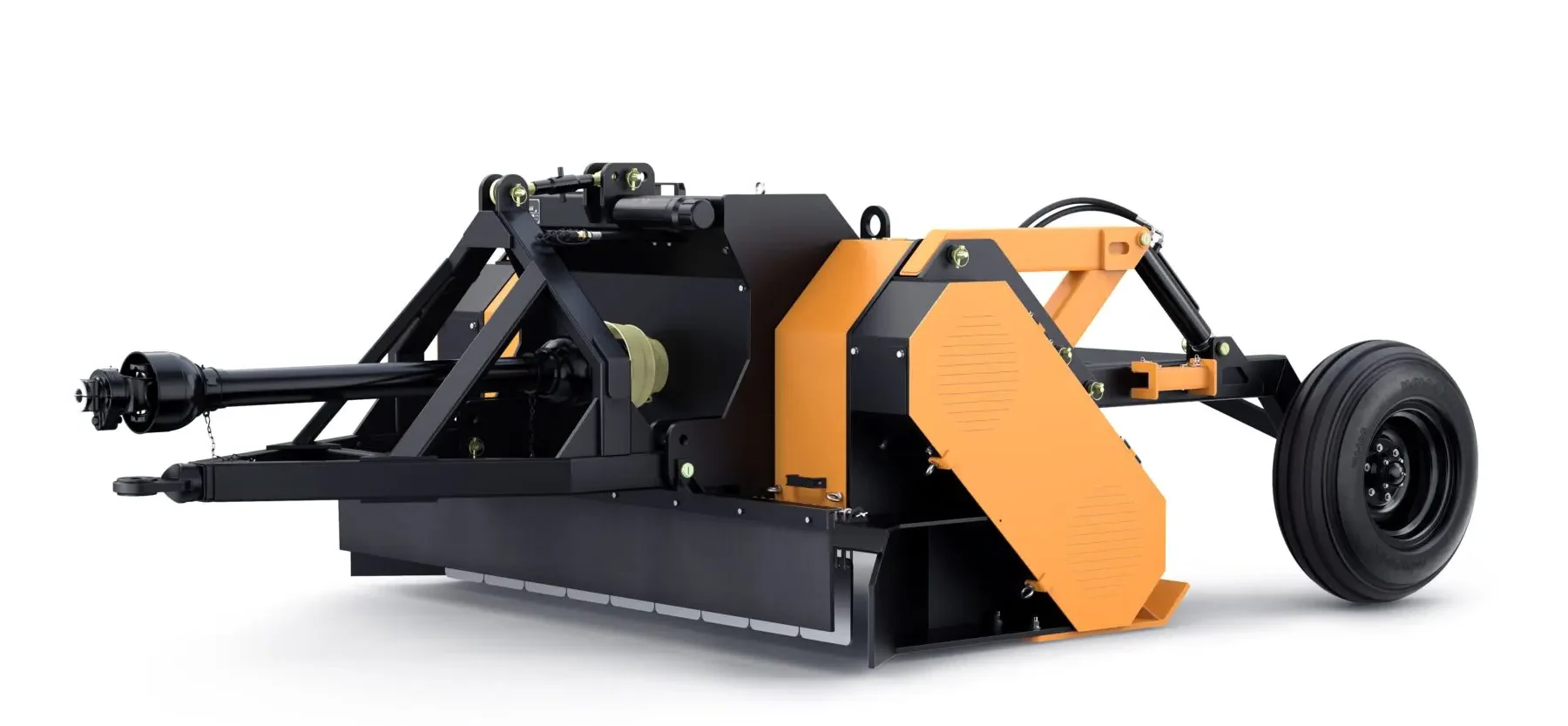
ST مقابل DT - ما الفرق؟
ضمن سلسلة STCL الخفيفة، تُصنّف الطرازات إما ST (مدخل سرعة واحدة) أو DT (مدخل سرعتين). يؤثر هذا التمييز على توافق PTO والتطبيق النموذجي.
- يقبل مدخلات PTO بسرعة 540 دورة في الدقيقة و 1000 دورة في الدقيقة
- توافق واسع مع الجرارات - الأساطيل القديمة والحديثة
- عرض العمل: من 1110 مم إلى 1830 مم
- نطاق القدرة: 70-120 حصان
- الأفضل لـ: الاستخدام الزراعي العام، مزارع الكروم، الجرارات القديمة
- يتطلب مدخل PTO بسرعة 1000 دورة في الدقيقة فقط
- سرعة دوران أعلى عند سرعة دوران مكافئة للجرار
- عرض العمل: 1830 مم و 2070 مم
- نطاق القدرة: 100-150 حصان
- الأفضل لـ: الأراضي الصلبة، والمساحات الكبيرة، والإنتاج عالي السرعة باستمرار
الأسئلة الشائعة
نعم. تم تصميم STCL/ST 100 للجرارات التي تبدأ قوتها من 70 حصانًا، بعرض عمل يبلغ 1110 مم - وهي نقطة البداية المدمجة لهذه الفئة. عند قوة 70 حصانًا، يُنصح بالعمل بسرعة أمامية منخفضة وتجنب أصعب أنواع الأراضي، ولكن الآلة مصممة ومُصنفة خصيصًا لهذا النطاق من القوة.
بالنسبة لطرازات ST، استخدم دائمًا سرعة 1000 دورة في الدقيقة حيثما توفرها جرارتك. سرعة PTO الأعلى تعني سرعة دوران أكبر، وطاقة حركية أعلى، وأداء تكسير أفضل. استخدم سرعة 540 دورة في الدقيقة فقط إذا لم تكن جرارتك تدعم سرعة 1000 دورة في الدقيقة، أو إذا كان الطراز مصممًا خصيصًا لسرعة 540 دورة في الدقيقة فقط.
تجوّل في حقلك وقِس أكبر الأحجار التي تجدها بنفسك - يكفي استخدام شريط قياس تقريبي أو مقارنة طول الحذاء. قطر التقطيع هو أقصى بُعد عبر الحجر، وليس وزنه. إذا وجدت أحجارًا أكبر بكثير من الحد الأقصى المُصنّف، فاختر دائمًا آلة من الفئة الأعلى.
ليس بالضرورة. تتطلب الآلة الأعرض قوة جرار أكبر نسبيًا للحفاظ على سرعة العمل، وإذا كان جرارك ضعيفًا بالنسبة للعرض المُختار، فسيتأثر كل من الإنتاج اليومي وجودة التكسير سلبًا. أفضل عرض للعمل هو أقصى عرض يمكن لجرارك العمل به عند سرعة العمل المُوصى بها ضمن نطاق قوته المُصنّفة. تواصل مع فريقنا وأخبرنا بقوة جرارك بالحصان، وسنؤكد لك أقصى عرض مناسب.
نعم، هذا هو بالضبط ما يُقدمه فريقنا. شاركنا نوع جرارك، طرازه، قوته، سرعة عمود إدارة الطاقة، فئة وصلة الجرار الخلفية، عرض العمل المطلوب، ووصفًا لحالة التربة والصخور لديك. سنؤكد لك السلسلة والتكوين المناسبين، ونُقدم لك عرض سعر للتوصيل إلى موقعك في جميع أنحاء أوروبا.
لست متأكدًا من أي كسارة حجارة تناسب جرارك؟
أخبرنا بقوة حصان الجرار، وسرعة عمود إدارة الطاقة، ومتطلبات عرض العمل، وظروف الحجر - سيقوم فريقنا بتأكيد الطراز المناسب وتقديم عرض أسعار توصيل غير ملزم إلى موقعك في جميع أنحاء أوروبا.